
Germany has recorded 3,021 foodborne outbreaks between 2015 and 2024, according to a new study published in the Journal of Consumer Protection and Food Safety. The analysis provides valuable insights into outbreak trends, major pathogens, high-risk foods, and contributing factors, helping inform future food safety strategies. Federal Office of Consumer Protection and Food Safety (BVL)
Researchers found that only 9.9% of outbreaks (297 cases) were classified as “strong evidence” outbreaks, meaning sufficient data were available to identify the source food and contributing factors with confidence. Despite representing a small proportion of total outbreaks, these cases offered critical information for understanding long-term food safety trends.
The study identified Campylobacter spp. and Salmonella spp. as the most common causes of foodborne outbreaks during the ten-year period. Other significant pathogens included:
While outbreaks caused by Campylobacter showed a declining trend, outbreaks linked to Listeria monocytogenes and Bacillus cereus fluctuated over the study period.
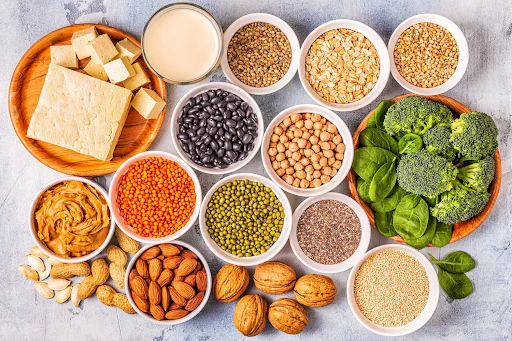
Although foods of animal origin remained responsible for the majority of outbreaks, researchers observed a notable increase in outbreaks associated with plant-based foods.
The study highlighted several recurring food-pathogen combinations:
Foodborne outbreak reports declined significantly between 2020 and 2023, coinciding with the COVID-19 pandemic. Researchers suggested that lockdown measures, restaurant closures, enhanced hand hygiene, and reduced social gatherings likely contributed to fewer outbreaks during this period.
However, outbreak numbers and associated illnesses increased again in 2023 and 2024, with hospitalizations reaching a peak of 451 cases in 2024.
Among outbreaks where contributing factors could be identified, the most frequently reported issues included:
Norovirus outbreaks were often linked to infected food workers, while cross-contamination played a major role in many salmonellosis outbreaks.
The study highlighted several food safety successes over the decade, including:
However, researchers emphasized ongoing challenges, particularly the rise in plant-based food outbreaks, recurring norovirus incidents linked to berries, and the need for better outbreak investigations to increase the proportion of strong-evidence cases.
The researchers concluded that long-term analysis of foodborne outbreaks provides valuable evidence for improving food safety policies and prevention efforts. While Germany has seen progress in reducing certain foodborne risks, emerging trends involving plant-based foods and persistent contamination issues underscore the importance of continued surveillance, food safety controls, and public health interventions.
Source:https://link.springer.com/article/10.1007/s00003-026-01615-6