
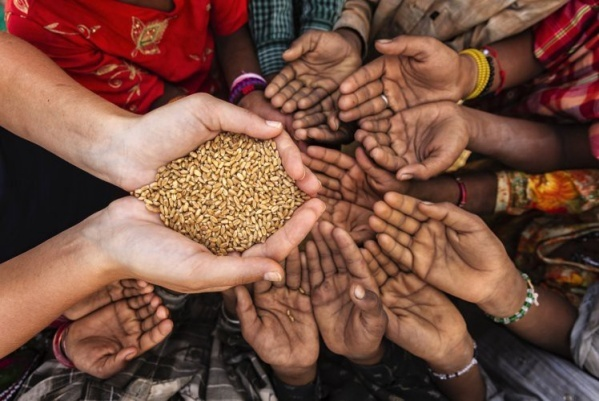
Amidst a landscape of escalating global challenges, the World Bank issues a stark warning of mounting food insecurity in 2023. The latest update, as of November 13, paints a concerning picture marked by surging domestic food prices, a significant drop in the agricultural price index, and the identification of critical hunger hotspots. The convergence of factors such as conflict, climate crises, and trade-related policies threatens to exacerbate the already precarious state of food security worldwide. As the world grapples with these multifaceted challenges, urgent attention and coordinated efforts are imperative to mitigate the impending crisis.
Global Food Price Inflation Hits Alarming Levels
Inflation exceeding 5% plagues 52.4% of low-income countries, 88.6% of lower-middle-income countries, and 61% of upper-middle-income countries, with many experiencing double-digit inflation. The crisis extends to 67.3% of high-income countries. Africa, North America, Latin America, South Asia, Europe, and Central Asia are the worst-hit regions, with food price inflation surpassing overall inflation in 76% of 166 countries.
Agricultural Price Index Drops, Heightening Concerns
The agricultural price index falls by 3% in Q3 2023, primarily due to a 3% drop in food prices. Since the onset of the conflict, agricultural prices have risen by nearly 4%. Key risks include potential conflict escalation in the Middle East, impacting oil, fertilizer, and transportation costs. A looming threat is the increase in natural gas and coal prices.
FAO & WFP Identify 18 Hunger Hotspots Requiring Urgent Action
The latest Hunger Hotspots report designates Burkina Faso, Mali, Palestine, South Sudan, and Sudan as high-concern hunger hotspots, with the risk of Famine (IPC/CH Phase 5) or Emergency food insecurity (IPC/CH Phase 4) intensifying. Conflict, climate issues, and economic challenges are primary drivers of food insecurity.
Global Food Crisis Exacerbated by Trade-Related Policies
Following Russia’s invasion of Ukraine, 19 countries implemented 27 food export bans and 9 enforced 18 export-limiting measures. These trade restrictions aim to boost domestic supply and reduce prices, contributing to the deepening global food crisis.
World Bank Expands Intervention Efforts Across 90 Countries
The World Bank’s food and nutrition security portfolio now spans 90 countries, addressing immediate concerns through social protection expansion and implementing longer-term resilience strategies, including boosting productivity and promoting climate-smart agriculture.
The World Bank’s expanded intervention efforts across 90 countries, incorporating both short-term measures and long-term resilience strategies, demonstrate a commitment to tackling the root causes of food insecurity. The international community must unite in a concerted effort to implement sustainable solutions, safeguarding the well-being of vulnerable populations and ensuring a more secure and resilient global food system.