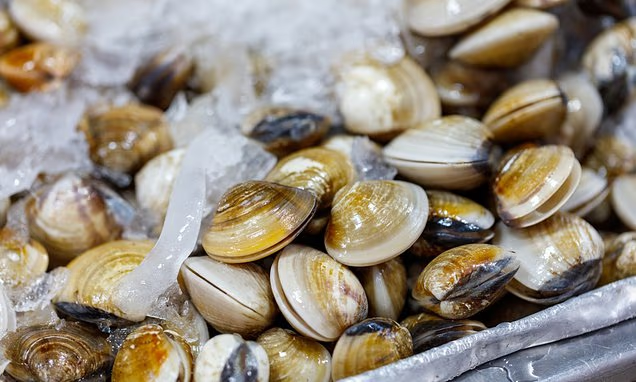
Virginia shuts down oyster and clam harvesting in affected waters after shellfish are linked to a Salmonella outbreak in Pennsylvania, raising concerns over seafood safety.
Oysters and clams have been linked to a Salmonella outbreak that has sickened at least five people in Pennsylvania, prompting Virginia health officials to close shellfish harvesting in parts of the Little Wicomico River in Northumberland County.
The Virginia Department of Health ordered the closure on October 9, 2026, after an epidemiological investigation connected the illnesses to oysters harvested from the affected waters. The shutdown came just eight days after Virginia’s 2026–2027 public oyster harvesting season opened on October 1.
The closure is scheduled to remain in effect through November 7, 2026. Officials said the precautionary action follows recommendations from the U.S. Food and Drug Administration (FDA) while shellfish in the affected area undergo testing.
The emergency order, identified as Emergency Condemnation Order #010A, prohibits shellfish harvesting in designated downstream waters of the Little Wicomico River.
Key details include:
The state also issued a separate emergency shellfish closure on October 9 under Emergency Condemnation #005-083B, temporarily prohibiting harvesting in portions of Lower Machodoc Creek in Westmoreland County through October 29, 2026.
During the closures, harvesting, storing or transporting shellfish from condemned waters is prohibited without a special permit from the Virginia Marine Resources Commission.
Officials clarified that crabs and finfish may still be harvested from the affected waters under the stated restrictions. The shellfish closures do not affect drinking water.
Shellfish such as oysters and clams are filter feeders. They draw water through their bodies to obtain food, which can also allow them to accumulate harmful microorganisms when growing in contaminated waters.
Unlike many other seafood products, oysters are frequently eaten raw or lightly cooked. This can increase the risk of foodborne infection when contaminated shellfish are consumed without adequate cooking.
Salmonella is a bacterial pathogen that can cause salmonellosis, an intestinal infection. Contaminated food may look, smell and taste normal, meaning consumers cannot reliably identify unsafe shellfish through appearance or smell alone.
The outbreak investigation highlights the importance of monitoring harvesting waters, tracing seafood to its source and restricting shellfish collection when contamination is suspected.
Symptoms generally develop within 12 to 72 hours after consuming contaminated food. Common signs include:
Many otherwise healthy adults recover within four to seven days. However, severe diarrhea can cause dehydration and may require hospitalization. In some cases, the infection can spread beyond the intestines and lead to serious complications.
Infants, young children, older adults, pregnant women and people with weakened immune systems are at greater risk of severe illness.
Anyone who has consumed shellfish from the affected area and develops symptoms should seek medical advice and inform their healthcare provider about the possible Salmonella exposure. Laboratory testing may be needed to confirm the infection.
Some infected individuals may not develop symptoms but can still contribute to the spread of the bacteria.
The closure comes at a sensitive time for Virginia’s seafood industry, with the public oyster harvesting season having opened on October 1.
Virginia’s public oyster grounds produce approximately 250,000 bushels annually. According to the Virginia Marine Resources Commission, the state’s oyster reef maintenance and shell-planting efforts receive between $4 million and $10 million in annual investment.
Although the closures are intended to protect public health, restrictions during the harvesting season can disrupt fishing operations and affect businesses dependent on shellfish production and distribution.
The investigation also underscores the importance of effective traceability systems that allow officials to identify affected harvesting areas and prevent potentially contaminated products from reaching consumers.
Consumers should avoid harvesting or consuming oysters and clams taken from the condemned waters during the closure. Seafood businesses and harvesters must comply with the restrictions issued by Virginia authorities.
Anyone who suspects they have consumed potentially contaminated shellfish should monitor for symptoms and seek medical advice if illness develops. Cooking shellfish thoroughly reduces the risk of Salmonella infection, but it does not make harvesting from prohibited waters lawful or replace official safety controls.
The Salmonella outbreak linked to oysters harvested from Virginia waters highlights the risks associated with contaminated shellfish and the importance of rapid public health interventions.
With at least five illnesses reported in Pennsylvania, authorities have temporarily halted harvesting in affected areas while testing and monitoring continue.
The incident serves as a reminder that seafood safety begins before shellfish reach the market. Harvesting-area surveillance, reliable traceability and prompt enforcement of closures are essential to protecting consumers from foodborne illness.