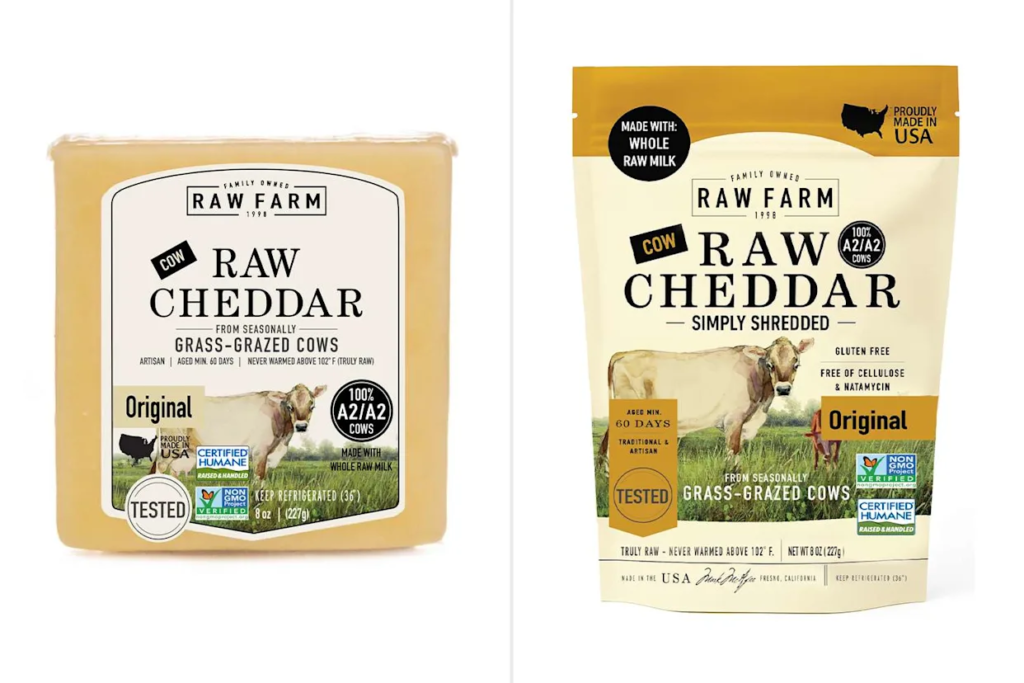
A California dairy company, Raw Farm, has voluntarily recalled several varieties of its raw cheddar cheese products as U.S. health authorities investigate an ongoing outbreak of E. coli infections linked to the company’s products.
The recall was announced following an investigation launched by the U.S. Food and Drug Administration (FDA) into cases of foodborne illness reported in March 2026. According to federal health officials, nine individuals, including children, have fallen ill in connection with the outbreak.
The recall involves multiple batches of Raw Farm cheddar cheese made from unpasteurized (raw) milk, which can harbor harmful pathogens. Unlike pasteurized milk, raw milk does not undergo heat treatment to destroy bacteria such as:
Although the FDA initiated the investigation after identifying links between illnesses and the company’s products, the agency reported that testing conducted during inspections of Raw Farm facilities has not yet detected E. coli contamination in the products.
Despite this, the company agreed to recall the cheese as a precautionary measure while the investigation continues.
Raw Farm stated that it issued the recall “under protest”, emphasizing that it has not found evidence of contamination in its internal testing. The company indicated that the decision was taken to cooperate with regulators and “chart a path forward.”
The recall currently applies only to Raw Farm-brand cheddar cheese products, while other dairy products produced by the company remain unaffected.
The recall includes the following products and any batches produced before the listed dates:
The products were reportedly distributed nationwide through retail outlets.
According to the FDA, eight infected individuals were interviewed during the investigation. Of those:
Genetic sequencing of E. coli samples collected from patients showed that the bacteria strains were closely related, suggesting a common source of infection.
Under U.S. law, the FDA can mandate a food recall when there is a reasonable probability that a product could cause serious health consequences or death. However, the agency generally provides companies the opportunity to conduct a voluntary recall before issuing a mandatory order.
Federal regulations also prohibit the interstate sale of raw milk for direct human consumption, though state-level laws vary significantly. Some states allow retail sales, while others limit raw milk distribution to farms or cow-share programs.
Interest in raw milk products has grown in recent years, partly driven by social media trends and advocacy from supporters of natural and unprocessed foods. However, public health authorities continue to warn that raw dairy products pose higher risks of foodborne illness compared with pasteurized alternatives.
Consumers who have purchased the affected products are advised not to consume them. The products should be discarded or returned to the place of purchase for a refund.
Individuals who experience symptoms of E. coli infection—such as severe stomach cramps, diarrhea (often bloody), vomiting, or fever—after consuming the products should seek medical attention.