
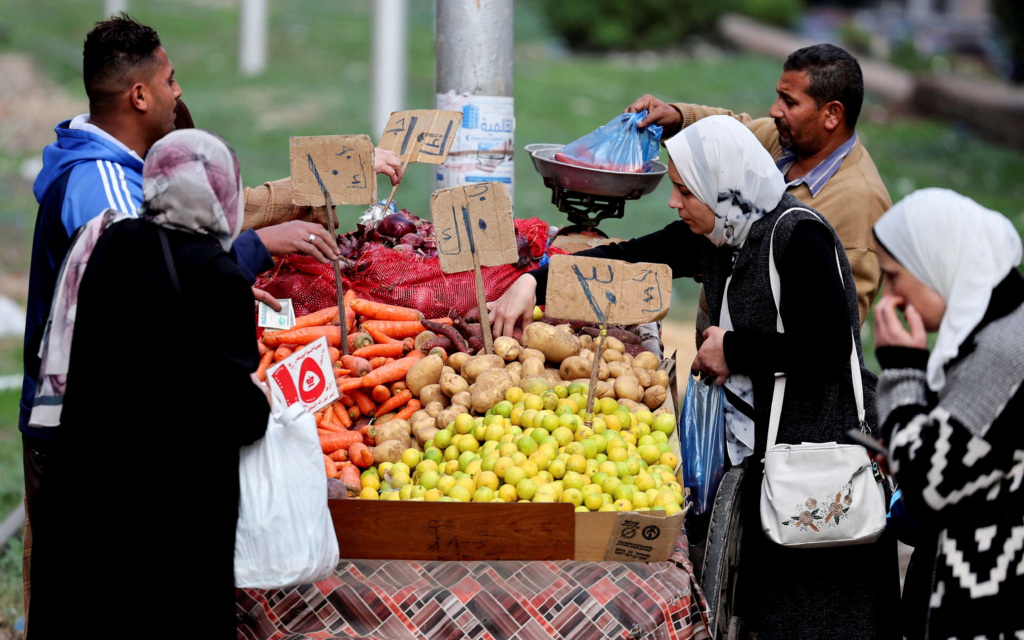
Global food security has reached a critical juncture, with the ongoing conflict linked to Iran triggering cascading disruptions across energy, fertiliser, and agricultural systems. According to warnings from the United Nations, the situation already fragile is now at risk of deteriorating further as the war enters its eighth week.
The latest Global Report on Food Crises highlights that approximately 266 million people faced acute food insecurity in 2025, reflecting only a marginal improvement from previous levels. However, this progress is now under threat. Experts point out that rising energy costs—driven by instability in the Gulf region—are directly impacting fertiliser production and fuel availability, both of which are critical inputs for farming.
At the center of this concern is the interdependence between agriculture and energy. Fertiliser production relies heavily on natural gas, and as prices surge, manufacturers scale back output. This, in turn, raises costs for farmers, many of whom are already operating under tight margins. The result is a growing likelihood of reduced planting and lower yields, particularly in the upcoming agricultural cycles.
Máximo Torero, Chief Economist at the Food and Agriculture Organization, has cautioned that the world may be heading toward a significant supply shock that could extend into 2027. He emphasized that agricultural timelines are dictated by climate and biological cycles, meaning delays or disruptions now cannot easily be reversed later. As costs rise, farmers are already adjusting decisions—often by planting less—setting the stage for tighter food supplies in the near future.
The impact is expected to be most severe in import-dependent and low-income countries, where rising global prices translate quickly into reduced access to food. Several major agricultural producers—including India, Bangladesh, Thailand, Brazil, Sudan, and Kenya—are currently entering crucial planting periods. With the Northern Hemisphere planting season beginning in May, the window to secure stable harvests for 2026 is rapidly narrowing.
The burden of food insecurity remains heavily concentrated. Ten countries account for nearly two-thirds of the global total, with Nigeria, Democratic Republic of the Congo, and Sudan alone representing almost one-third of those affected. Meanwhile, severe crises persist in Afghanistan, South Sudan, Yemen, and parts of Sudan.
Conflict continues to be the dominant driver, with more than 80% of food-insecure populations living in war-affected regions. The humanitarian consequences are especially severe for children. An estimated 35.5 million children are acutely malnourished, including nearly 10 million suffering from severe acute malnutrition. Many of these children face lifelong consequences such as stunted growth and impaired cognitive development.
The situation has already crossed critical thresholds in some regions. Famine conditions were confirmed in parts of the Gaza Strip and Sudan—the first such confirmations since global monitoring began under the IPC system. Although some improvements have been observed in countries like Bangladesh and Niger, conditions have worsened in Myanmar, Zimbabwe, and the Democratic Republic of the Congo.
Humanitarian organizations, including Mercy Corps, warn that the consequences of the current crisis are already “locked in.” Rising input costs have forced farmers to make planting decisions that will affect food availability not just this year, but into 2026 and 2027. Even if prices stabilize soon, the opportunity to reverse these early decisions has largely passed.
As Torero notes, the situation is highly time-sensitive. Each passing week without stabilization increases the likelihood of significant food shortages in the latter half of 2026 and beyond. The global food system, already under strain from climate change, conflict, and economic volatility, is now facing one of its most precarious moments in recent years.
Source: The Telegraph UK