
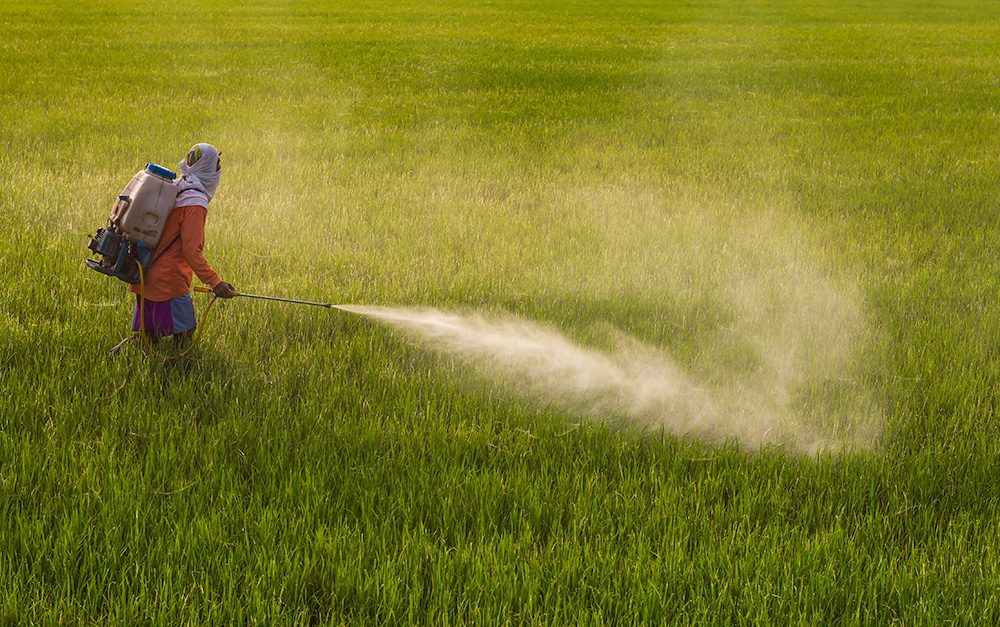
The Food Safety and Standards Authority of India (FSSAI) has recently proposed significant measures to enhance food safety and regulate pesticide use in the country. In response to growing concerns about food safety and international trade requirements, FSSAI has suggested forming an inter-ministerial committee to oversee pesticide usage in food production. Additionally, the authority has urged states to set up new microbiology laboratories to boost their food testing capabilities.
Proposal for an Inter-Ministerial Committee on Pesticide Use:
During a recent meeting of the national advisory committee, chaired by FSSAI CEO G. Kamala Vardhana Rao, it was proposed to establish an inter-ministerial committee to address issues related to pesticide use in India. The committee would consist of representatives from various ministries and agencies involved in agriculture, health, and trade, with a focus on developing strategies to reduce pesticide usage in food production. The objective of this committee would be to promote safe and sustainable farming practices, monitor pesticide application at the farm level, and regulate pesticide residues in food products to ensure they meet both domestic and international safety standards.
European Union’s Concerns Over Pesticide Residues:
The proposal for the inter-ministerial committee gains urgency in the context of recent trade negotiations with the European Union (EU). EU trade negotiators have raised concerns over pesticide residues in Indian agricultural exports, pushing for stricter adherence to maximum residue levels (MRLs). To maintain trade relations and ensure Indian agricultural exports remain competitive in the global market, FSSAI aims to align domestic pesticide use with international standards, particularly those required by the EU.
In addition to regulating pesticide use, FSSAI is advocating for the adoption of good agricultural practices (GAP) and exploring alternative methods to control pests without excessive reliance on chemical pesticides. The committee would explore options such as organic farming and integrated pest management (IPM) to reduce the environmental and health impacts of pesticide use. By focusing on sustainable agricultural practices, FSSAI aims to protect consumer health and minimize the risks associated with pesticide residues in food products.
In an effort to strengthen food safety oversight at the state level, FSSAI has requested all states to submit proposals for establishing new microbiology laboratories. These laboratories will play a crucial role in detecting and identifying pathogens and spoilage organisms in food and water, thereby enhancing the ability to prevent foodborne illnesses and combat food adulteration. The move to set up new labs comes amid growing concerns over food adulteration and the need for more robust testing infrastructure to ensure food safety for consumers.
With the festive season approaching, FSSAI has also directed states to fill vacant positions of Food Safety Officers and upgrade existing food testing laboratories. This initiative is aimed at improving the overall capacity and efficiency of food testing systems across the country, ensuring that food products meet the safety standards set out in the Food Safety and Standards Act, 2006. The emphasis on increasing manpower and upgrading facilities reflects FSSAI’s commitment to strengthening food safety regulations and safeguarding public health.
State-Level Initiatives for Enhanced Food Safety:
The push for new microbiology labs aligns with the Union budget’s proposal to establish more food testing facilities across India. This expansion is crucial for addressing the growing demand for food safety testing and ensuring that all food products sold in the market are safe for consumption. Currently, India has a network of 206 primary food testing labs accredited by the National Accreditation Board for Testing and Calibration Laboratories (NABL). These labs are responsible for analyzing food samples collected under the Food Safety and Standards Act, 2006, and play a vital role in maintaining food safety standards.
The FSSAI’s recent initiatives reflect a comprehensive approach to enhancing food safety and regulating pesticide use in India. By proposing an inter-ministerial committee and urging states to set up microbiology laboratories, FSSAI aims to address the twin challenges of pesticide regulation and food adulteration. These measures are expected to strengthen food safety oversight, protect consumer health, and ensure that Indian agricultural exports meet international standards.
For more information and updates, please visit the FSSAI website.
Source: FSSAI