
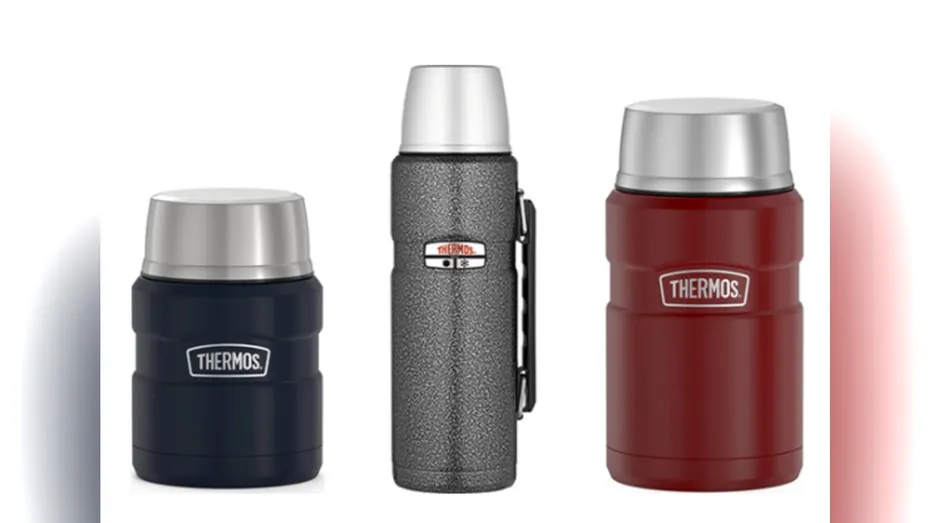
Thermos has issued a recall of its 470ml and 710ml Stainless King Food Jars in Australia after a safety defect was linked to dozens of injury incidents in the United States, including cases of permanent vision loss.
According to the Australian Competition and Consumer Commission (ACCC), the affected products do not contain a pressure release valve. As a result, pressure can build up inside the insulated food jar when certain foods are stored, potentially causing the stopper beneath the lid to eject forcefully when opened.
The recall follows numerous reports in the United States where consumers were struck by the stopper during opening. Three individuals reportedly suffered permanent vision loss after being hit in the eye.
While this recall is not related to microbial contamination, allergens, or chemical hazards, it highlights an important aspect of food safety: safe food packaging and storage systems.
Insulated food containers are designed to maintain food temperatures for extended periods. However, when hot foods, fermenting foods, or foods that generate gases are stored in sealed containers without adequate pressure-release mechanisms, pressure accumulation may occur. This can create a physical hazard capable of causing serious consumer injury.
The incident underscores the need for manufacturers to evaluate not only food preservation performance but also consumer safety risks associated with product design.
The recall affects:
Products sold between July 2009 and December 2022 may be affected.
Consumers are advised to inspect the underside of the stopper. Products lacking a pressure relief feature beneath the stainless-steel lid are included in the recall.
The recalled products were sold through numerous Australian retailers, including:
and several other retail outlets nationwide.
Consumers who own an affected Thermos Stainless King Food Jar should:
Thermos has indicated that replacement stoppers are expected to become available from July.
This recall serves as a reminder that food safety extends beyond the food itself and includes the safety of food-contact materials, packaging, and storage equipment. Design defects in food storage containers can pose significant physical hazards to consumers, emphasizing the importance of rigorous product safety assessments and prompt corrective actions when risks are identified.