
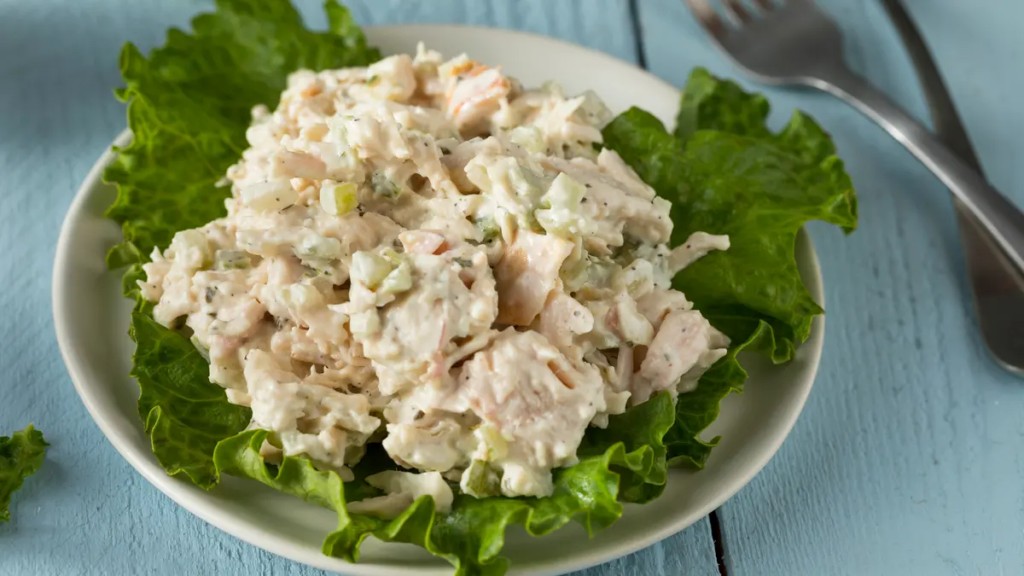
Health officials have confirmed that contaminated chicken salad was responsible for a major Salmonella outbreak that sickened 320 inmates at the Broome County Correctional Facility in New York.
According to the Broome County Health Department, laboratory testing identified Salmonella in chicken salad served to inmates between May 15 and May 25. The outbreak is now considered the second-largest Salmonella outbreak in New York state history.
Of the approximately 450 inmates housed at the facility, 320 were diagnosed with Salmonella infections. Four inmates required hospitalization, while the remaining cases were managed within the correctional facility.
Broome County Health Department Medical Director Dr. Lazarus Gehring said food samples were rapidly collected and submitted for testing after reports of illness emerged.
“Within eight hours, multiple days of food sources were sent to Wadsworth Lab in Albany for testing and we began to gather community resources. We managed to turn the Broome County Correctional Facility into the second largest hospital in Broome County,” Gehring said.
The jail follows a standard procedure of retaining samples of all food served, allowing investigators to quickly identify the contaminated chicken salad as the source of the outbreak.
Broome County Sheriff Fred Akshar described the incident as an unprecedented challenge for correctional facility operations and praised the coordinated response from health officials and emergency personnel.
“We were faced with an unprecedented challenge from a correctional facility standpoint. But what you have seen since the onset of this issue has truly been a world-class response,” Akshar said.
In the aftermath of the outbreak, Broome County and Sheriff Akshar have been named in a class-action lawsuit filed on behalf of affected inmates. Akshar declined to comment on the pending litigation but noted that jail operations have since returned to normal.
Salmonella infections typically cause symptoms including diarrhea, fever, stomach cramps, nausea, and vomiting. While most people recover without treatment, severe infections can require hospitalization, particularly among vulnerable populations.
The investigation into how the chicken salad became contaminated remains ongoing.