
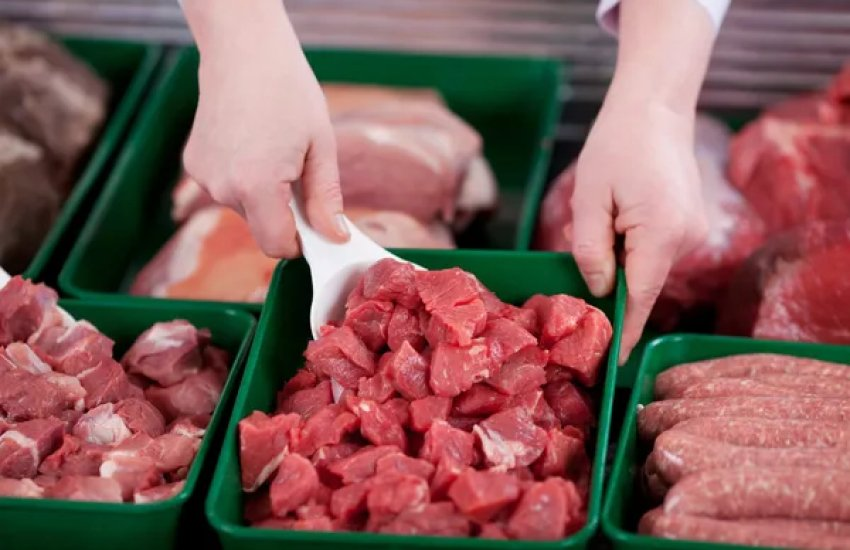
The European Union’s ban on Brazilian animal products could tighten meat supplies and increase prices, particularly for chicken breast and premium beef products.
The European Union has begun restricting imports of several animal products from Brazil after concerns that the country does not yet meet EU requirements on antimicrobial use in farmed animals.
The ban, which came into effect on 3 September 2026, prevents Brazil from exporting products including chicken, eggs, beef, fish, horse meat and honey to the EU. The restrictions will remain until Brazil can demonstrate compliance with the EU’s antimicrobial resistance requirements.
Brazil plays an important role in the European meat supply chain. According to RaboResearch, Brazil supplies around 211,000 tonnes of chicken and 92,000 tonnes of beef to the EU each year, accounting for approximately 25% of the EU’s imported chicken and beef.
The loss of such a significant supplier could put pressure on European meat markets, particularly if alternative suppliers cannot immediately replace the missing volumes.
The impact is expected to be most visible in chicken. Brazilian chicken is widely used by companies purchasing frozen meat in bulk, including as an ingredient in processed foods.
RaboResearch expects European chicken breast prices to increase first, followed by higher costs for processed foods containing chicken.
A similar situation occurred in 2025 when Brazilian poultry imports were temporarily suspended following avian influenza outbreaks. Companies that relied on frozen Brazilian chicken turned to fresh European supplies, contributing to higher prices.
Market pressure could appear before physical shortages become widespread. Buyers may begin adjusting prices as soon as they anticipate reduced availability of Brazilian products.
For beef, the impact is expected to be more concentrated because Brazilian exports to the EU are largely high-value cuts. Premium retailers and foodservice businesses could therefore experience the strongest effects.
The EU can source meat from other countries, including China, Thailand and Ukraine for poultry, and Argentina, Australia and Uruguay for beef.
However, these suppliers may not have sufficient capacity to immediately replace the volumes previously supplied by Brazil. This could leave European buyers competing for alternative sources and contribute to further price increases.
Brazilian exports to the EU had already increased during the first half of 2026. Chicken exports rose 53% year-on-year, while beef exports increased 7%, partly reflecting stockpiling ahead of the anticipated restrictions.
The European Commission has raised concerns over Brazil’s ability to demonstrate that antimicrobial use in animal production meets EU requirements.
In April 2026, Brazil banned the use of antimicrobials for growth promotion. Producers were given around six months to comply, followed by an additional period to clear existing stocks.
However, Brazil does not yet have a nationwide system that tracks how antimicrobials are sold and used. Such monitoring is important for demonstrating compliance with EU requirements and addressing antimicrobial resistance concerns.
Not all Brazilian animal-derived products are affected. Gelatine and collagen are exempt from the ban, although their relatively small export value means they are unlikely to compensate for the loss of poultry and beef exports.
Brazil’s global poultry exports generated approximately $9.6 billion in 2025, compared with around $50 million in EU exports of exempt products such as gelatine and collagen.
Brazil has indicated that it is working toward meeting the EU requirements. Exporters may provide individual guarantees demonstrating that their supply chains comply with EU antimicrobial rules.
However, compliance alone may not immediately restore exports. An EU audit is expected to be required once the necessary guarantees are in place.
For chicken exporters, demonstrating compliance could take several months, while the process for beef is expected to take longer.
Until Brazilian products return to the EU market, European buyers may face tighter supplies, greater competition for alternative sources and higher prices for certain meat products.
Consumers could eventually see the effects through higher retail prices for chicken and premium beef, while food manufacturers may face increased costs for processed products containing chicken.
The extent and duration of the price impact will depend on how quickly alternative suppliers can increase shipments and how long existing stocks of Brazilian products remain available in the EU.