
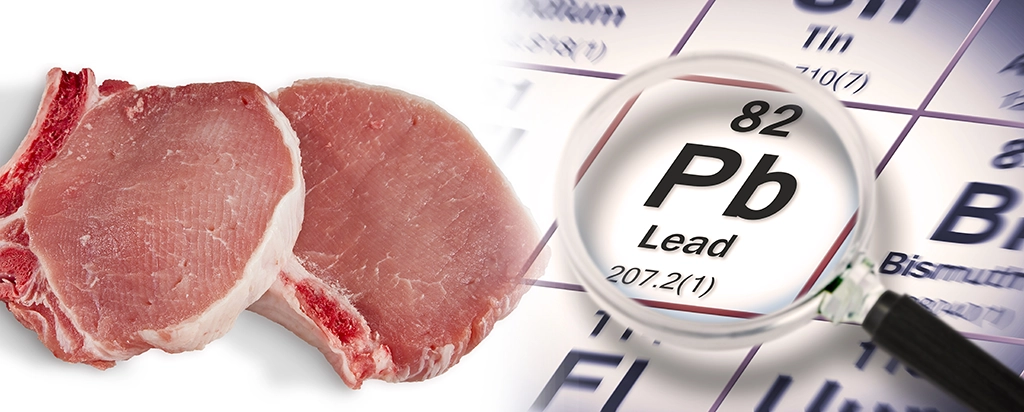
Heavy metal contamination in food has become a growing concern worldwide. Reports of lead in spices, arsenic in rice, cadmium in chocolate, and mercury in fish often raise alarm among consumers. While heavy metals occur naturally in the environment, increasing pollution, industrial activities, and poor farming practices can elevate their levels in food.
Understanding how heavy metals enter our food and what risks they pose is essential for making informed choices. This article breaks down the issue in a clear and science-based way.
Heavy metals such as lead, cadmium, arsenic, and mercury are naturally occurring elements found in soil, water, and air. In very small amounts, some metals (like zinc or iron) are essential for human health. But the toxic ones become harmful when they accumulate in food and enter the body over time.
They are particularly dangerous because they do not break down, and long-term exposure—even at low levels—can affect multiple organs.
Heavy metal contamination can happen at any stage of the food chain.
Industrial emissions, mining, and wastewater discharge contaminate soils and water sources used for farming. Plants absorb these metals through their roots, and animals accumulate them through fodder and water.
The use of contaminated fertilizers, pesticides, or irrigation water significantly increases the risk. For example, arsenic contamination in groundwater is a major issue in rice-producing regions.
Metals can migrate from old machinery, storage tanks, or packaging materials when they are poorly maintained or not food-grade.
Large fish like shark, swordfish, and some tuna species naturally accumulate mercury at higher levels because they feed on smaller contaminated fish—a process known as bioaccumulation.
Lead is one of the most concerning contaminants. Chronic exposure affects the nervous system, especially in children, leading to developmental delays, behavioral issues, and reduced IQ. Lead often enters food through contaminated soil, old water pipelines, or poor-quality cookware.
Arsenic exists in two forms—organic and inorganic. Inorganic arsenic is more toxic and is frequently detected in rice, especially where groundwater is contaminated. Long-term exposure can affect skin, lungs, and the cardiovascular system.
Cadmium contaminates cereals, leafy vegetables, and cocoa. It accumulates in the kidneys and can cause kidney damage and bone demineralization over time.
Methylmercury, the most toxic form, is commonly found in predatory fish. It affects the brain and nervous system, making children and pregnant women especially vulnerable.
Yes. Food safety authorities worldwide have established strict limits for heavy metals in food products. Regulators such as FSSAI, FDA, EFSA, and WHO Codex monitor contamination levels and enforce corrective actions when limits are exceeded.
These bodies set:
Regular surveillance helps ensure that most food on the market is safe for consumption.
While contamination cannot be eliminated fully, consumers can take practical steps to reduce risk.
Small steps can significantly reduce long-term exposure.
Not necessarily. The presence of a heavy metal does not always mean it is harmful. What matters is:
Regulators set limits low enough to protect even the most vulnerable groups. Most food products on the market fall well within safe limits, but awareness is essential.
Heavy metal contamination is a real concern, but understanding the science behind it helps separate facts from fear. These contaminants primarily enter the food chain through environmental and industrial pollution, and strict regulations exist globally to monitor and limit their levels.
Consumers can protect themselves through informed choices, diverse diets, and safe cooking practices. Continuous global surveillance and improved agricultural practices are key to ensuring safer food for the future.