
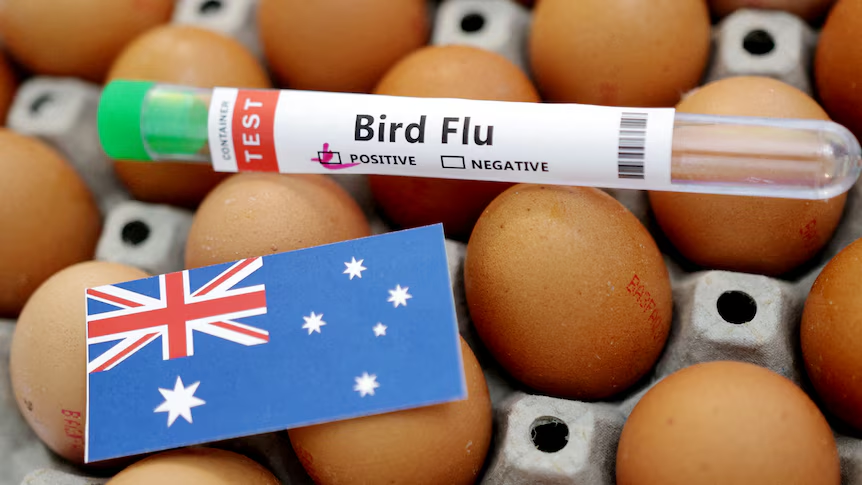
Otago, New Zealand – A highly pathogenic strain of avian influenza, H7N6, has been detected on a free-range egg farm in rural Otago, managed by Mainland Poultry. Biosecurity New Zealand has placed strict movement controls on the affected farm, stopping the movement of birds, poultry products, feed, and equipment to prevent further spread of the virus.
This marks the first documented case of HPAI H7N6 in New Zealand, believed to have originated from wild waterfowl carrying a low pathogenicity strain, which mutated after exposure to free-range chickens. Testing of nearby farms, including one near Dunedin, confirmed no further cases.
Authorities are culling 160,000 chickens from the infected property, with all waste being securely disposed of at a high-security landfill in Southland. A buffer zone and rigorous biosecurity measures have been established around the farm.
HPAI H7N6 is a strain of avian influenza found in birds worldwide. While this strain poses a low risk to human health and is unrelated to the more severe H5N1 strain circulating globally, Biosecurity New Zealand is taking the outbreak seriously.
Symptoms in poultry include sudden death, lethargy, neurological signs, and respiratory distress. In domesticated waterfowl, signs are often subtler, with symptoms like lack of coordination and trembling.
Biosecurity New Zealand has issued a Restricted Place Notice, prohibiting the movement of birds and materials on and off the farm. A precautionary notice is also in place for a smaller farm near Dunedin.
Farmers are urged to report signs of HPAI immediately by contacting the exotic pest and disease hotline (0800 80 99 66). Symptoms such as swelling, bruising, and sudden mortality should be flagged promptly.
Authorities assure the public that thoroughly cooked eggs and poultry are safe to consume. Avian influenza viruses are heat-sensitive, making cooked food free of the virus. Proper cooking guidelines recommend:
New Zealand has an active surveillance program testing 2,000 wild bird samples annually. Biosecurity New Zealand, alongside the poultry sector, has prepared for potential avian influenza cases, ensuring swift response and containment.
Mainland Poultry CEO John McKay commended the rapid action taken, describing the outbreak as a “spillover event” caused by outdoor exposure. Despite robust biosecurity measures, such rare incidents can occur.
The nation remains free of HPAI H5N1, and authorities emphasize that this outbreak does not increase the risk of H5N1 reaching New Zealand.