
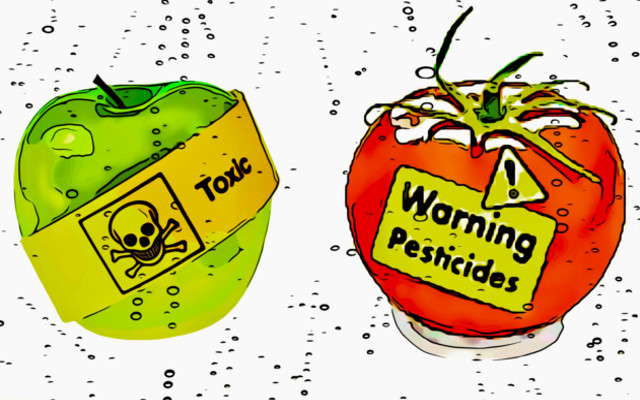
A recent study by the European Pesticide Action Network has uncovered alarming levels of PFAS (per- and polyfluoroalkyl substances) pesticide residues in fruits and vegetables from the Netherlands and Belgium. The research, based on official data from national monitoring programs, reveals that these two countries surpass all other EU member states in producing crops containing PFAS traces.
The volume of European fruits and vegetables with detected PFAS residues has nearly tripled between 2011 and 2021, with an astonishing growth rate of 220% for fruit and 274% for vegetables. Disturbingly, PFAS pesticides were found in 27% of Dutch and Belgian fruit and vegetable samples, followed by Austria (25%), Spain (22%), and Portugal (21%).
The analysis, which includes PFAS residues with a concentration level of at least 0.01 milligrammes per kilogramme, highlights an issue that doesn’t necessarily contravene EU maximum limits. However, the European Pesticide Action Network warns that the continual accumulation of PFAS in soils, water, and the food chain poses long-term risks to human health and the environment.
In the Netherlands, heightened concern about PFAS contamination is growing, especially given its link to cancer and other health issues. PFAS, known as “forever chemicals,” has been detected in eggs from hobbyist-raised hens across the country. Dutch water companies are also expressing worries that new projected EU guidelines to combat PFAS do not include a ban on their use in pesticides, thereby posing a threat to drinking water quality.
The EU has plans to halt the use of harmful PFAS in various industries, but notably, the inclusion of PFAS in pesticides remains untouched due to separate EU regulations. Two years ago, the Dutch public health institute RIVM had cautioned hobbyist fishers to significantly reduce their consumption of fish, shrimp, oysters, and mussels caught in the Westerschelde estuary due to alarming levels of PFAS contamination. Fish and shellfish from the estuary were found to contain eight to 10 times the amount of PFAS found in similar products sold in stores, according to the RIVM.