
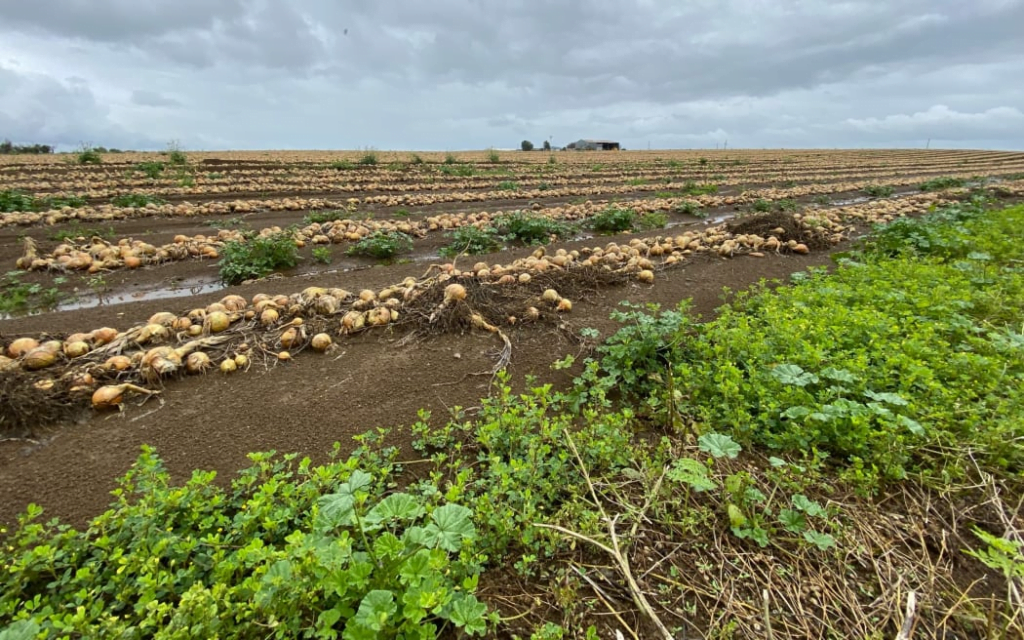
Flooding in the upper North Island affected food safety. Excessive rainfall has affected the quality and shelf life of numerous crops. As a result, Consumers should be prepared for fresh vegetable shortages in the coming weeks, according to United Fresh New Zealand. Flooding exposes fresh vegetables to microbial contamination. If floodwaters come into contact with the edible component of the crop, it is considered polluted and will not be harvested. Harvest-ready crops must be checked for pathogenic microbes and confined until they are declared safe to eat.
Floodwaters can wash human and animal waste through sewer systems. The water may contain germs that can cause illness. Anyone with a home garden that may have been flooded, remove affected plants as soon as possible. The severe weather event comes on top of a rainy summer that has already impacted the supply and pricing of fresh vegetables across the country. While the flood has exacerbated our supply crisis, the entire industry will be working hard in the next months to deliver enough fresh veggies to market.
After the flooding subsides, the land will not be replanted for some time until it is dry and acceptable. Growers will not harvest the impacted crops and will have particular processes for disposing of the affected plant materials. These delays may result in supply shortfalls of various kinds. Crops that may be suitable for picking will now be isolated until microbiological testing confirms that they are safe to eat.
The hospitality industry suffered significantly:
Meanwhile, the hospitality industry is calculating the cost of this weekend’s weather incident, which caused severe problems for many North Island hospitality enterprises. According to the Restaurant Association, the present weather situation has affected 85% of respondents. 75% of those polled reported a major drop in business, notably in Auckland, Coromandel. Few respondents reported material damage to their firm as a result of the weather, while others were forced to close their doors owing to structural damage. Other concerns mentioned by respondents were workers being unable to go to work, road closures, and reservation cancellations.
Other difficulties included supply chain disruptions, which resulted in food shortages. It’s apparent that the weather has caused broad problems for our businesses,” said CEO Marisa Bidois. We’ve been fielding calls all weekend from members seeking assistance and focused communication to help them work through the crisis and get back up and running.
The Restaurant Association met with local and central government officials to inform them of some of the most serious issues facing the hospitality industry and how they can help with the recovery. This conversation covered what kinds of assistance businesses might be able to get, including financial assistance from the Mayoral Assistance Fund.
The Restaurant Association has now created an emergency response handbook for hospitality firms. The guide contains information and links about employment relations, food safety measures, insurance aid, support and financial help, and health and wellbeing.
Given the forecast for additional rain, we are aware that many businesses may be concerned. We’d like to remind all hospitality firms that the Association is here to help them through this. Members can access a variety of tools from the Association, including our emergency response information guide. We will continue to keep members informed of any additional talks and information received through the Restaurant Association website and social media platforms said the officials.