
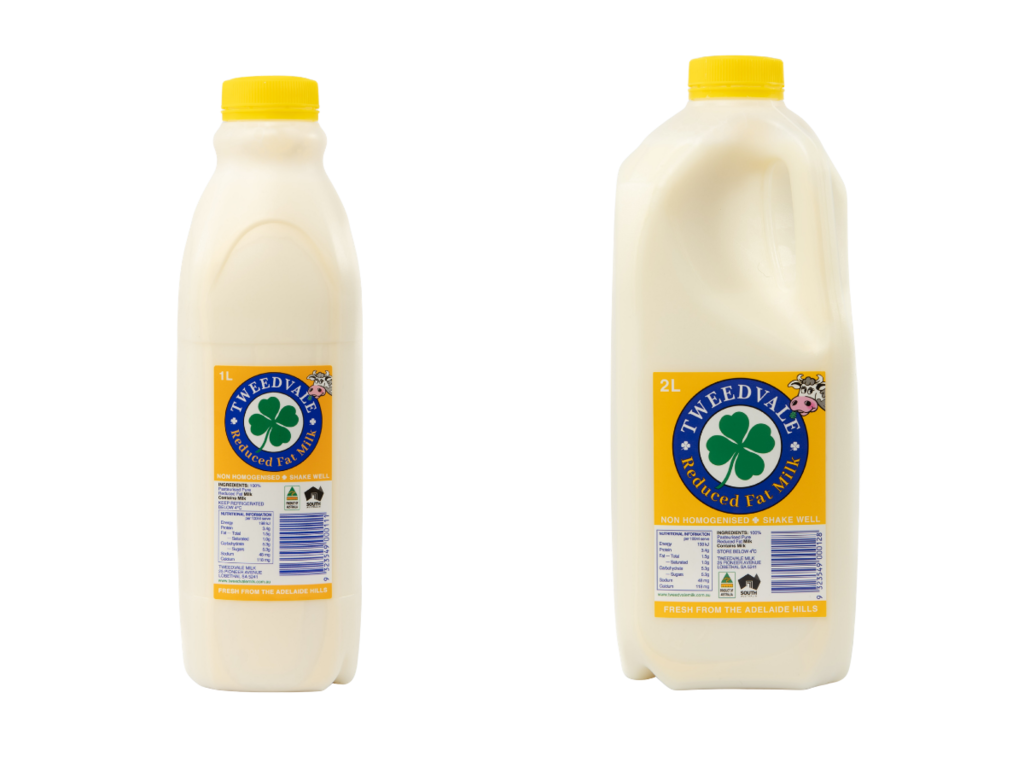
Tweedvale Dairies Pty Ltd has recalled its 1-litre and 2-litre Reduced Fat Milk products in South Australia after they were found to be contaminated with Escherichia coli (E. coli). The recall was published by Food Standards Australia New Zealand (FSANZ) on 12 October 2026, warning consumers against consuming the affected milk because of the potential risk of foodborne illness.
The affected products were sold through independent retailers, including IGA stores across South Australia. Consumers who have purchased the recalled milk are advised to check the use-by date, avoid consumption and return the products for a full refund.
The recall applies to two pack sizes of Tweedvale Dairies Reduced Fat Milk carrying a specific use-by date.
Affected product details:
Manufacturer: Tweedvale Dairies Pty Ltd
Distribution: Independent retailers, including IGA, in South Australia.
Recall published: 12 October 2026.
Consumers should check the product name, pack size and use-by date to identify the affected milk.
The recall was initiated because of microbial contamination involving E. coli, a group of bacteria that includes strains capable of causing foodborne illness.
While some E. coli strains occur naturally in the intestines of humans and animals without causing disease, others can produce toxins or cause infections that result in gastrointestinal illness. The FSANZ recall notice identifies E. coli contamination as the reason for the recall but does not specify the strain involved or provide further details about the source or extent of the contamination.
Milk can become contaminated during production, processing or handling if appropriate hygiene and contamination-control measures fail. The recall underscores the importance of microbiological monitoring and effective controls throughout dairy production and distribution.
Consumption of milk contaminated with pathogenic E. coli may cause symptoms such as abdominal cramps, diarrhoea, nausea and vomiting. Some strains can cause bloody diarrhoea and, in severe cases, complications affecting the kidneys, including haemolytic uraemic syndrome (HUS).
Symptoms and their severity depend on the strain involved and the individual’s susceptibility. Young children, older adults and people with weakened immune systems may be particularly vulnerable to serious outcomes.
Anyone who has consumed the affected milk and is experiencing concerning symptoms should seek medical advice. Consumers should not wait for symptoms to appear before following the recall instructions.
FSANZ advises consumers not to consume the recalled products.
Retailers and food businesses should also check their stocks and follow the official recall notice.
Consumers seeking further information can contact Tweedvale Dairies Pty Ltd:
The official recall information is available through Food Standards Australia New Zealand, which publishes food recall alerts to help consumers identify affected products and take appropriate precautions.
The recall highlights the public health risks associated with microbial contamination in everyday foods, including milk. Because contaminated products may not show obvious changes in appearance, smell or taste, consumers should not rely on sensory checks to determine whether milk is safe.
Checking recall notices, observing use-by dates and following official instructions are essential steps in reducing the risk of foodborne illness. For dairy manufacturers, maintaining robust hygiene practices, microbiological testing and traceability systems remains critical to protecting consumers and preventing contaminated products from reaching the market.