
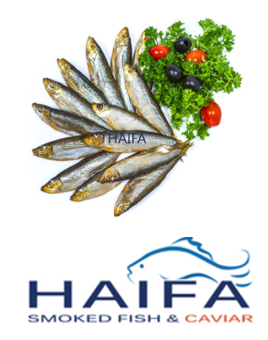
The FDA has issued a public warning over cold-smoked sprats sold under the Haifa Smoked Fish name after finding inadequate controls against a potentially fatal toxin. Despite the agency’s recommendation, the company has declined to recall the product, leaving consumers and food businesses on alert.
The U.S. Food and Drug Administration (FDA) has issued a public warning about cold-smoked sprats produced by D&M Smoked Fish Inc., doing business as Haifa Smoked Fish Inc., based in Jamaica, Queens, New York. The warning follows an inspection that identified inadequate controls to prevent the growth of Clostridium botulinum and the formation of its dangerous toxin.
The bacterium can produce botulinum toxin, which causes botulism, a rare but potentially fatal illness that attacks the nervous system. The FDA determined that the necessary preventive controls were not in place during production, raising concerns about the safety of the affected fish.
The agency recommended that D&M Smoked Fish Inc. recall all cold-smoked sprats currently on the market. However, the company declined to do so. In response, the FDA issued a public warning to alert consumers and businesses to the potential health risk.
The FDA has advised retailers, restaurants, wholesalers and other food service operators not to sell or serve cold-smoked sprats sold by Haifa Smoked Fish Inc.
Consumers who have purchased these products should avoid eating them. Anyone uncertain about the product’s origin should contact the retailer or supplier for clarification. The absence of a company-initiated recall makes it particularly important for consumers and food businesses to take the warning seriously.
One of the most dangerous characteristics of botulism is that contaminated food may look, smell and taste normal. Consumers cannot reliably determine whether a product is safe through visual inspection or by tasting it.
Foodborne botulism can cause severe illness because the toxin interferes with nerve function and can lead to progressive muscle paralysis, including paralysis of the muscles required for breathing.
Symptoms generally develop within 18 to 36 hours after consuming contaminated food, although onset can occur as early as six hours or as late as 10 days.
Warning signs may include:
Not everyone will experience all symptoms. Suspected botulism requires immediate medical attention because the condition can progress rapidly and become life-threatening.
Cold smoking is a food-processing technique that exposes fish to smoke without cooking it at temperatures sufficient to reliably eliminate harmful microorganisms. Depending on the product and processing conditions, additional preservation measures and carefully validated safety controls are necessary to prevent pathogen growth and toxin formation.
Clostridium botulinum is of particular concern in certain fish products because inadequate processing, preservation or storage conditions can allow the bacterium to grow and produce toxin. Effective preventive controls are therefore essential throughout production and distribution.
The case highlights a critical food safety challenge: what happens when regulators identify a potentially serious hazard but a company declines to initiate a recommended recall?
The FDA’s public warning provides an opportunity for consumers and businesses to avoid potentially hazardous products. However, the situation also underscores the importance of effective preventive controls, traceability and prompt action when serious food safety risks are identified.
Consumer takeaway: Do not eat cold-smoked sprats sold by Haifa Smoked Fish Inc. if they may be covered by the FDA warning. Contact the place of purchase or supplier if you are unsure of their origin. Do not rely on appearance, smell or taste to determine whether the fish is safe.’