
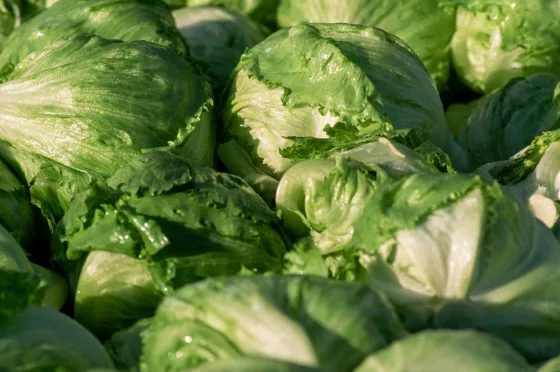
A multistate outbreak of Cyclospora infections linked to iceberg lettuce has sickened more than 11,000 people in the United States, according to the latest update from the Centers for Disease Control and Prevention (CDC).
As of August 27, the CDC was reporting 11,485 outbreak patients, an increase of 528 cases from the previous week. The outbreak has also resulted in 495 hospitalizations and two deaths, both reported in Michigan.
The CDC has expanded the outbreak map to include Georgia, Tennessee and Texas.
The outbreak has now been reported across 20 states, including:
Michigan was the first state to report the outbreak and continues to account for a significant number of reported infections.
The Food and Drug Administration (FDA) is continuing its investigation into iceberg lettuce associated with the outbreak. FDA officials are conducting onsite inspections and sampling at iceberg lettuce growing operations and a Taylor Farms processing facility in central Mexico, in coordination with Mexican authorities.
Taylor Farms recalled certain iceberg lettuce products on July 17, 2026. However, officials said the recalled products were largely already consumed or past their expiration dates by the time of the recall.
The company supplies processed iceberg lettuce to a wide range of customers, including restaurants, hospitals, schools, hotels, food-service distributors and retailers.
Earlier in the outbreak, some patients reported eating foods containing iceberg lettuce at Taco Bell restaurants. In New Hampshire, 17 patients also reported eating iceberg lettuce from the salad bar at the same hospital.
The FDA says it remains confident that recalled iceberg lettuce associated with this specific outbreak is no longer on the market.
Cyclospora is a microscopic parasite that causes an intestinal infection known as cyclosporiasis. Contaminated food or water can transmit the parasite when people ingest material contaminated with human feces.
Unlike some other foodborne pathogens, Cyclospora is specifically associated with human waste.
Contaminated food may look, smell and taste normal, making it difficult for consumers to identify.
Symptoms generally develop 2 to 14 days after exposure and can include:
The illness can last a month or longer and may return for several months if it is not properly treated.
People experiencing symptoms who believe they may have been exposed should seek medical attention. Specific laboratory testing is required to diagnose Cyclospora, and treatment generally involves prescription antibiotics.
Food safety experts have cautioned that simply washing fresh produce may not reliably eliminate Cyclospora because the parasite can become embedded in produce.
Previous U.S. cyclosporiasis outbreaks have been associated with several types of fresh produce, including lettuce, basil, cilantro, mesclun lettuce, raspberries and snow peas.