
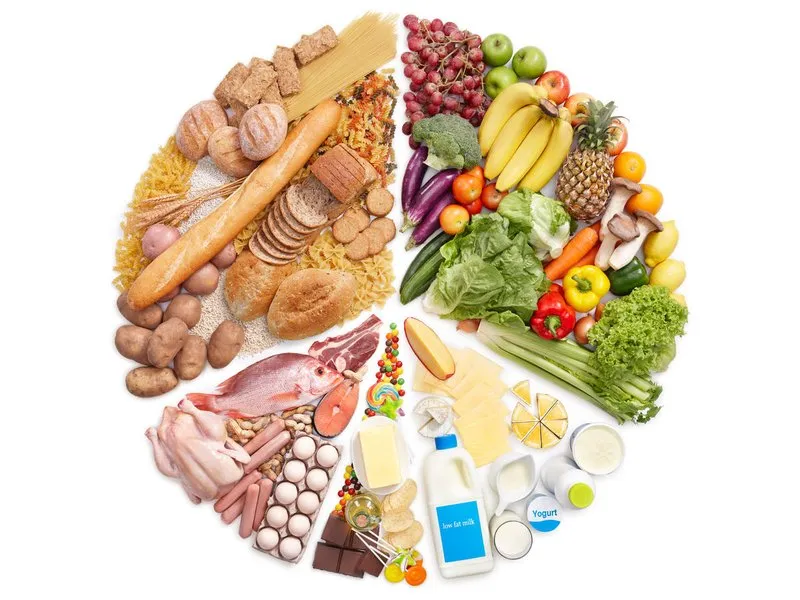
A major policy shift may be on the horizon as Health Secretary Robert F. Kennedy Jr. confirmed that The Dietary Guidelines for Americans, 2025–2030 will be released in December. If published before Christmas, families across the country may find themselves debating a long-standing nutritional controversy: the role of saturated fat in the American diet.
For more than four decades, federal dietary guidelines have advised Americans to limit their saturated fat intake due to the well-established link between high saturated fat consumption and increased risks of heart disease, stroke, and other cardiovascular conditions. Since 1980, each edition of the guidelines has repeated a consistent recommendation—keep saturated fats to less than 10 percent of total daily calories starting at age 2.
The current advisory committee, tasked with reviewing scientific evidence and shaping the upcoming guidelines, has already indicated in its recent report that the recommendation should remain unchanged. The committee argues that replacing saturated fats with unsaturated fats, especially polyunsaturated fats from plant-based sources, continues to be strongly supported by modern nutrition science. Yet, fewer than 20 percent of Americans meet the existing recommendation.
Despite this scientific stance, Kennedy has repeatedly criticized the traditional saturated fat limits, calling them “antiquated.” He has signaled that the forthcoming guidelines will take what he describes as a more “common-sense” approach—one that emphasizes consuming “saturated fats, dairy, good meat, and fresh meat and vegetables.” He suggests that shifting the focus in this direction will help address the nation’s chronic health challenges, including obesity, diabetes, and cardiovascular disease.
The dietary guidelines, jointly issued by the U.S. Department of Health and Human Services (HHS) and the U.S. Department of Agriculture (USDA), influence everything from school meals to national nutrition programs. Any significant change in recommendations—particularly regarding saturated fats—could reshape public health messaging and food policy for years to come.
As December approaches, anticipation grows. Whether the new guidelines reinforce decades of scientific consensus or move toward Kennedy’s proposed reframing, the release is likely to spark one of the season’s most heated dinner-table discussions.