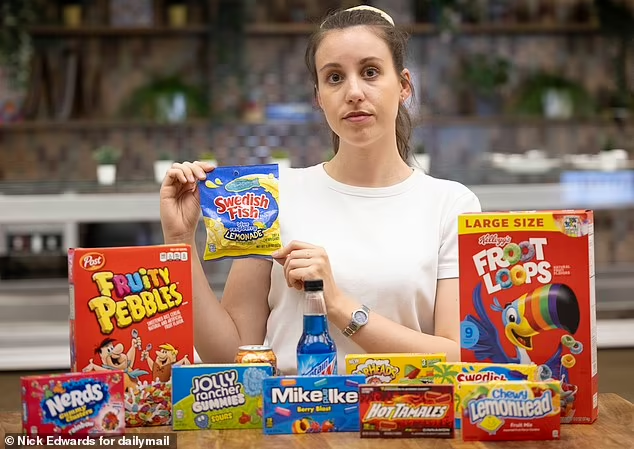
Devon County Council has joined other UK authorities in issuing a warning regarding the safety of imported American snacks, sweets, and fizzy drinks. These products, often referred to as “grey market goods”, are increasingly being found in local stores despite not complying with UK food safety standards.
Heart of the South West Trading Standards Service, covering Devon, Plymouth, Somerset, and Torbay, has conducted unannounced inspections of stores selling imported snacks and drinks. Officers identified and removed items that either contained unauthorized additives or had non-compliant labeling.
Five additives found in American products have been highlighted as illegal in the UK but permissible in the U.S.:
Julie Richardson, lead food officer for Heart of the South West Trading Standards Service, stated:
“Increasingly we are seeing products banned in the UK on sale. If you see unfamiliar confectionery, read the label to check for any of the listed additives. Retailers are urged to remove items with unauthorized ingredients immediately.”
Consumers can identify American imports through specific features:
Legal imports will often have a sticker added with UK-compliant information.
Imported snacks containing banned additives pose potential health risks, particularly for children. As children are drawn to these products, authorities urge parents to carefully inspect labels before purchasing.
Rufus Gilbert, cabinet member for Trading Standards, emphasized:
“Ensuring imported food is safe and labeled correctly is critical. Retailers must use reputable suppliers, and we encourage them to consult us if they are unsure about new product lines.”
The Chartered Trading Standards Institute (CTSI) and local councils have taken measures to address the issue. In a pilot project funded by the Food Standards Agency (FSA), over 3,700 non-compliant items were seized in Staffordshire, valued at £10,000 ($12,700).
Similar actions have been taken elsewhere, including the destruction of 670 items in Oxford Street candy shops by Westminster City Council in 2024.
While UK authorities have raised concerns with the U.S. Food and Drug Administration (FDA), their ability to act is limited since these items are compliant with U.S. food laws.
The warnings serve as a reminder of the importance of food safety and ensuring that imported products meet UK standards to protect public health.