
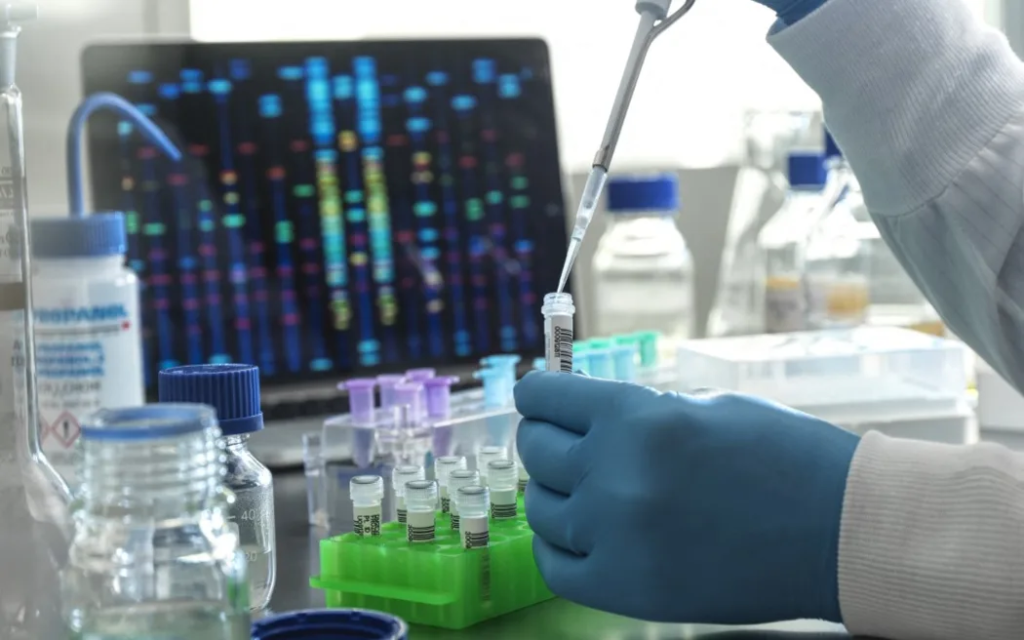
In a significant stride toward enhancing global food safety, the World Health Organization (WHO) has unveiled a comprehensive guide on the application of Whole Genome Sequencing (WGS). Divided into three parts, the guidance addresses the critical role WGS plays in foodborne disease surveillance and response systems.
Part One: Building Capacity The first guide outlines the minimum capacity requirements for foodborne disease surveillance and response systems before integrating WGS. It delves into epidemiological and laboratory capabilities, emphasizing the need for a quick turnaround time to detect and respond to outbreaks promptly. The document also highlights challenges, including the lack of standardized approaches and the necessity for trained personnel in genetic data analysis.
Part Two: Supporting Outbreak Investigations The second guide focuses on how WGS can bolster foodborne outbreak investigations, especially in countries with limited WGS experience. It discusses the pros and cons of building in-house lab capacity versus outsourcing, providing insights into creating a business case for WGS. Real-world examples, such as the U.S. FDA’s investigation into listeriosis outbreaks, showcase WGS’s utility in pinpointing sources and improving epidemiological findings.
Part Three: Routine Surveillance and Beyond The third document caters to countries experienced in lab-based surveillance, covering trends monitoring over time and WGS application in Antimicrobial Resistance (AMR) and virulence factor monitoring. WHO recommends starting with a single pathogen for routine surveillance and scaling up as lab capacities grow. Challenges include defining clusters for public health follow-up, sharing WGS results, and setting short and long-term goals in the surveillance system.
The release of these guides aligns with WHO’s vision to leverage WGS technology in reducing the global burden of foodborne illnesses. By providing a roadmap for integrating WGS into existing systems, WHO aims to empower public health professionals, laboratories, and agencies worldwide.
Source: https://iris.who.int/bitstream/handle/10665/373459/9789240021228-eng.pdf?sequence=1
https://iris.who.int/bitstream/handle/10665/373460/9789240021242-eng.pdf?sequence=1