Shifting to plant-based foods is a smart way for multinational corporations to reduce their carbon footprints. Some companies have already begun to abstain from meat and dairy in order to accelerate the transition. During Berlin’s Green Week in January, Germany’s budget supermarket chain Lidl which operates 12,000 stores in 31 countries announced a shift away from animal products in order to combat the climate crisis.
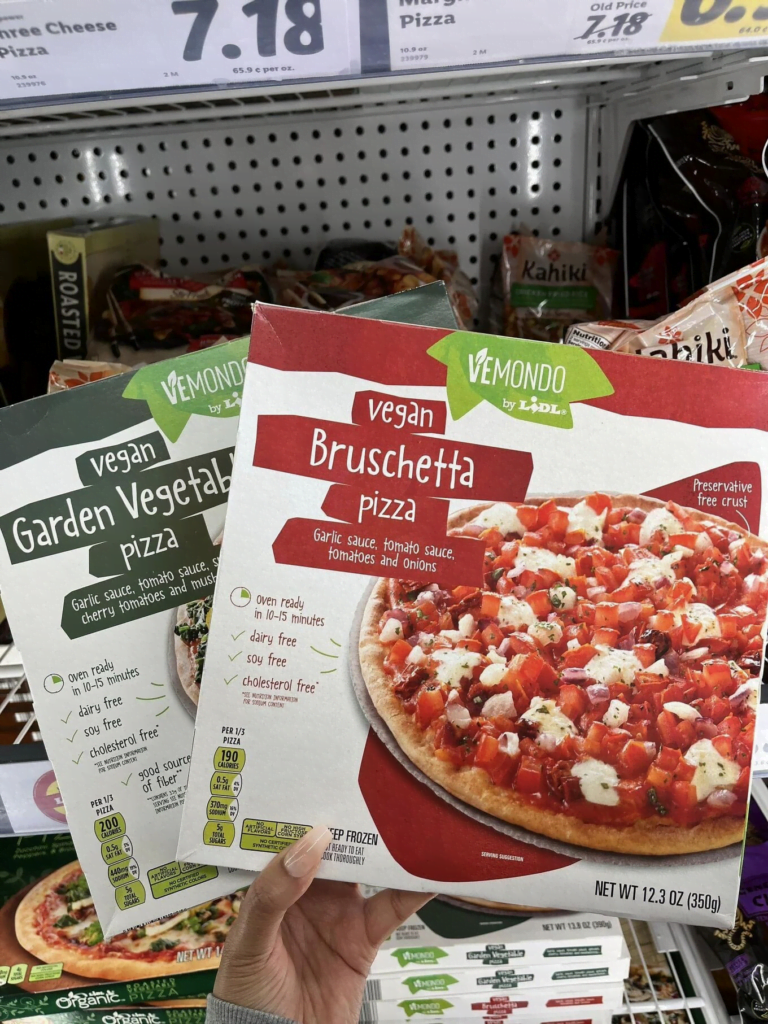
Lidl launched Vemondo, its own line of meat and dairy alternatives, in 2021, and it has since expanded to 50 items, including plant-based grounds, dairy-free yoghurts, frozen pizzas, and more. It announced its intention to replace animal products on its shelves with plant-based alternatives by 2025. Lidl has taken a bold and necessary step to assist consumers in transitioning to a more plant-based diet. Animal agriculture accounts for 20% of global greenhouse gas emissions, and switching to plant-based diets is an effective way to reduce those emissions.
In Israel, the shift has begun at Tiv Taam, a major grocery chain that also produces deli meats. The company recently announced a collaboration with vegan company Vgarden to co-manufacture its kosher pea protein-based deli products like pepperoni, gammon, chicken, turkey, and other cold cuts. In addition to plant-based meats, Vgarden produces soft and hard cheeses, as well as fish-free seafood, as alternatives to animal products commonly found on store shelves. This collaboration will enable Vgarden, which already has distribution in Australia, to significantly expand its reach with an eye towards new markets, particularly the United States.
The news that Lidl and Tiv Taam are ditching animal products comes on the heels of IKEA’s most recent sustainability report. IKEA commits in its report to investigating how it can further remove or replace dairy to support its goal of becoming a climate positive company by 2030.
Stumptown and Blue Bottle Coffee, while not as large as IKEA, are also betting on a dairy-free future. Both companies have recently changed their menus to include oat milk as an alternative to dairy. While category leader Starbucks has yet to make a similar commitment, the global chain is increasingly incorporating vegan milks into its formulations, including the upcoming Oleato beverage platform, which is based on olive oil and oat milk.
Burger King has been quietly abandoning animal products in recent years, with global launches ranging from plant-based Whoppers to meatless chicken nuggets. In the United Kingdom, where it has recently added vegan bacon cheeseburgers to its menu, the fast-food chain aims to have half of its menu be entirely plant-based by 2030. Our ultimate goal is to position Burger King as the industry leader and go-to for the best-tasting plant-based food, Feretti said.
It’s not just restaurants and grocery stores looking to shift away from animal products that are harmful to the environment. The world’s largest packaged food companies are already heavily invested in reimagining their portfolios with plant-based products.
Nestlé, the world’s largest food company, has been experimenting with plant-based alternatives for some time, with its Garden Gourmet brand in Europe and Sweet Earth in the United States. The food giant recently went a step further by collaborating with precision fermentation company Perfect Day to develop vegan dairy products using its animal-free whey.
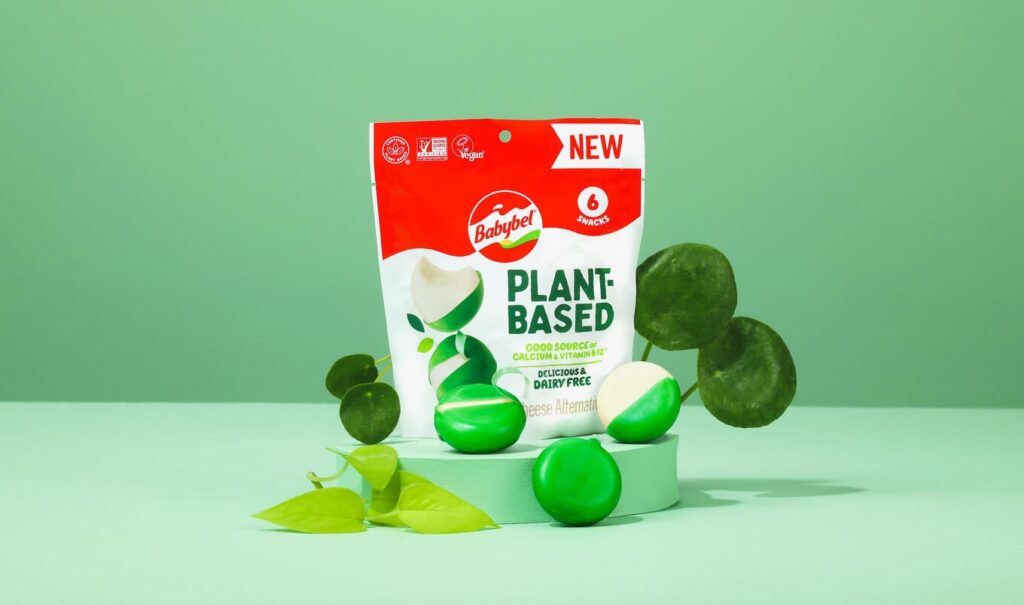
Bel Group, a French company that has been making cheese for 150 years, is another major player in the dairy industry. In the last two years, the company has introduced a vegan sister brand, Nurishh, as well as plant-based alternatives to all of its nostalgic products, such as Boursin, Babybel, and The Laughing Cow, with more innovation on the way.
Late last year, Kraft Heinz announced a collaboration with Chile’s The Not Company (NotCo) to recreate some of its most iconic products with plant-based ingredients using NotCo’s AI-powered technology. Perfect Day’s animal-free whey can be used to make vegan dairy products. So far, the venture has produced vegan Kraft singles cheeses, with egg-free mayo on the horizon, and The Kraft Heinz NotCompany is still in its early stages. We plan to launch products in four categories this year,” a spokesperson recently told VegNews. By 2024, we’ll have expanded across seven categories and will begin our international expansion.