
The UK Health Security Agency (UKHSA), Food Standards Agency (FSA), and Food Standards Scotland
(FSS) are reiterating their guidance to vulnerable consumer groups regarding the dangers of Listeria
monocytogenes illness linked to ready-to-eat smoked fish.
As part of an incident that has resulted in three deaths, authorities in the United Kingdom have reissued a
warning on Listeria in fish. Ten sick people are older than age 65, and one is a pregnant woman. Three of
those affected who were older than 65 died. This is due to an ongoing Listeria monocytogenes outbreak,
which is dangerous for anyone who is predisposed to Listeria infection.
Since 2020, the research has found 14 related listeriosis cases, eight of which have occurred since January
2022. In Scotland and England, cases have been found. Most of these people said they consumed ready-
to-eat smoked fish.
If anyone is consuming ready-to-eat smoked fish, Caroline Handford, acting head of incidents at the FSA,
stated, “We are reminding them of the recommendation to ensure that it is completely cooked before
they eat it including when presented as part of a dish.” By constantly utilizing products by their use-by
dates, adhering to the storage directions on the label, heating it until it is piping hot all the way through,
and keeping chilled ready-to-eat smoked salmon cold at 5 degrees C (41 degrees F) or below.
Listeria monocytogenes Outbreak:
When two or more people get the same illness from the same contaminated food or drink, the event is
called a foodborne disease outbreak. In the US, listeria is the third most common cause of food
poisoning or food-related deaths. Fish is a significant source of minerals, vitamins, and physiologically
high-quality protein. However, raw, smoked, and cured fish products frequently include harmful
microorganisms like listeria as well. By consuming contaminated food, people can get listeriosis illness.
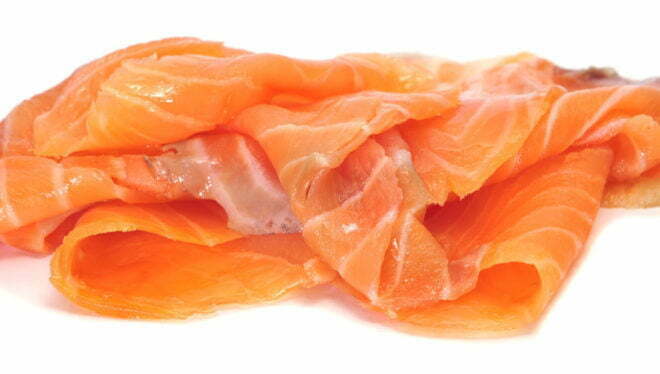
Listeria is frequently present in raw, smoked, or cured fish products and seafood like sushi, sashimi,
oysters, cold- or hot-smoked fish, and cured fish.
Listeria monocytogenes is different from many other foodborne infections.
In low temperatures, such as those found in refrigerators and freezers, it thrives and even grows more.
During storage, the bacteria might grow to deadly numbers. Food that has been contaminated by Listeria
monocytogenes bacterium retains its original flavor, aroma, and texture.
A disease known as listeriosis is brought on by the bacterium listeria. It is pervasive in the environment
and at low or typical refrigeration temperatures, it can contaminate a variety of foods.
A Listeria monocytogenes outbreak connected to smoked seafood. Persons who are susceptible to
Listeria infection, such as pregnant women, people with certain underlying diseases, or people using
drugs that can suppress the immune system, may be more at risk from this contamination.
It can be destroyed by thorough cooking.
Symptoms:
Most people won’t experience any symptoms of the infection or will only have moderate symptoms,
including nausea, fever, muscle aches, and diarrhea, which often go away on their own in a few days.
It is possible for symptoms like headache, stiff neck, confusion, loss of balance, or convulsions to appear if
an infection progresses to the nervous system.
For Pregnant women, infections can cause stillbirth, preterm labor, infection of the unborn child, or even
just a minor flu-like illness in the infected woman. Contrary to rubella and several other congenital
illnesses, there is no regular screening test for listeriosis during pregnancy.
How do I manage my symptoms?
Risk Level:
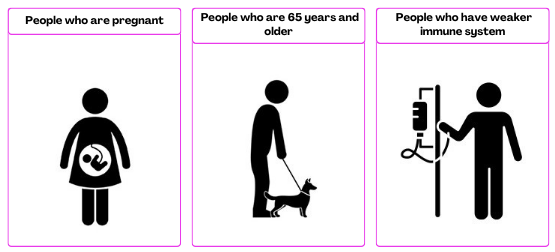
Pregnant women are more likely to contract listeriosis, which increases the risk of miscarriage, stillbirth, or severe illness in the newborn.
People with compromised immune systems or those over 65 years old are more likely to get more severe infections, such as severe sepsis and meningitis.
Persons with cancer, diabetes, or kidney disease
Who has a greater chance of listeria infections?
Is listeriosis contagious?
You can’t pass listeriosis to another person unless a pregnant person passes it to their unborn child.
Cross-contamination could occur if you
How can you prevent listeria contamination?
Take the necessary safety procedures before moving from raw to finished product locations.
Never transport machinery or products from the raw to the finished product regions without taking the necessary safety measures.
Always practice proper food handling and personal hygiene.
Keep yourself clean.
Never touch dirty objects and then touch food products while working unless you properly wash your hands or change your gloves.
Equipment, carts, or containers should be cleaned and sanitized before being moved from one location to another.
For additional information visit https://www.food.gov.uk/news-alerts/news/vulnerable-consumers-advised-of-ongoing-risk-of-listeria-associated-with-ready-to-eat-smoked-fish