
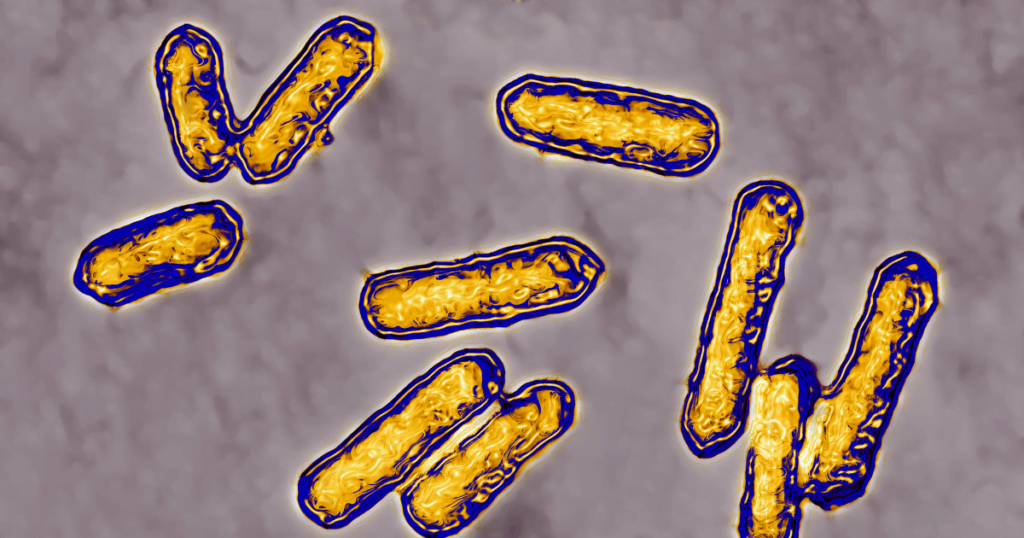
Two people have died in an outbreak of Listeria in Italy that could be linked to cheese.
Italian authorities reported that 33 people have been affected and two deaths are part of the outbreak. Asiago Pressato cheese is a line of inquiry as researchers try to find the source.
A spokesman for the Italian National Institute of Health (ISS) said Food Safety News the outbreak investigation was at an early stage when he was asked for details.
“The Ministry of Health (Ministero della Salute), together with the ISS, the IZS and all the regional authorities are coordinating the investigation, collecting all the information on the cases and possible sources of exposure. Research on the epidemiological aspects and genomic correlations is ongoing,” he said.
The spokesperson added that the cheese was used as part of a recipe with many more ingredients that are also being investigated as the source of the outbreak.
The Istituto Zooprofilattico Sperimentale (IZS) is made up of 10 institutes throughout the country and is involved in diagnostic activities, epidemiological surveillance, research and training linked to areas that include communicable diseases and food safety.
In 2020, 224 Listeria monocytogenes strains from 15 of the 20 Italian regions were sent to the ISS.
Italy recorded three outbreaks and 147 cases of listeriosis in 2020 compared to 202 cases in 2019, according to the European Union’s One Health Zoonosis report.
About Listeria Infections
Food contaminated with Listeria monocytogenes may not look or smell bad, but it can still cause serious and sometimes life-threatening infections. Anyone who has developed symptoms of Listeria infection should seek medical treatment and inform their doctors of possible exposure to Listeria.
People should be monitored for symptoms of food poisoning for the next several weeks because it may take up to 70 days after exposure to Listeria for symptoms of listeriosis to develop.
Symptoms of Listeria infection can include vomiting, nausea, persistent fever, muscle aches, severe headache, and stiff neck. Specific laboratory tests are required to diagnose Listeria infections, which can mimic other illnesses.
Pregnant women, the elderly, young children, and people with weakened immune systems, such as cancer patients, are at particular risk for serious illness, life-threatening infections, and other complications. Although infected pregnant women may experience only mild flu-like symptoms, their infections can lead to premature delivery, infection of the newborn, or even stillbirth.