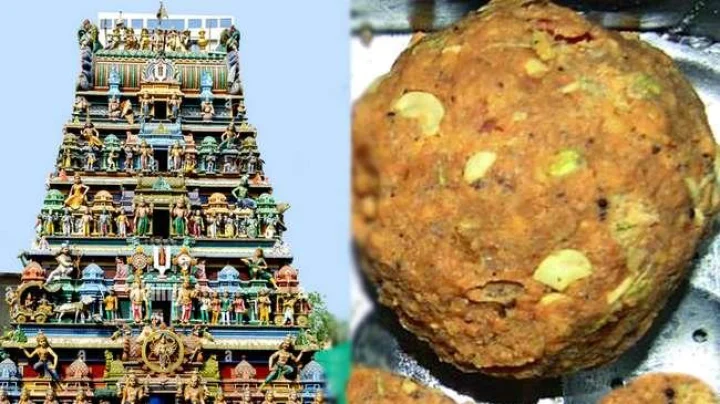
One of India’s largest food adulteration scandals involving a major religious institution has come to light after a Central Bureau of Investigation (CBI)–led Special Investigation Team (SIT) filed its final chargesheet in January 2026 in the Tirumala Tirupati Devasthanams (TTD) ghee adulteration case.
According to the chargesheet submitted before a special court, nearly 6.8 million kilograms of synthetic ghee, valued at approximately ₹250 crore, was allegedly supplied to the temple between 2021 and 2024. The investigation names 36 accused, including suppliers, intermediaries and officials, and points to systemic failures in procurement and quality control.
Investigators have alleged that the primary supplier procured no milk or butter during the period under review, despite supplying massive quantities of ghee for temple use. The product was allegedly manufactured entirely using palm oil, palm kernel oil and chemical additives, rather than traditional dairy ingredients.
To replicate the sensory characteristics of pure ghee, artificial flavours and chemical compounds were reportedly added. The chargesheet also highlights the involvement of chemical suppliers who allegedly provided substances designed to manipulate laboratory parameters and evade routine quality checks.
The SIT has alleged collusion involving certain officials and external experts, claiming that false quality reports were generated and adverse test results suppressed. Investigators noted that repeated acceptance of consignments over several years raises serious questions about internal oversight mechanisms.
A key breakthrough came through laboratory testing conducted by the National Dairy Development Board (NDDB). Analysis revealed that the S-Value of the ghee samples was significantly below prescribed standards for pure desi ghee. The tests also detected the presence of animal fats and vegetable oils, indicating deliberate adulteration.
Investigators stated that while synthetic chemical mixtures formed the bulk of the adulterant, certain samples also showed traces of prohibited animal fats, some of which were allegedly reintroduced into the supply chain after rejection.
Authorities have emphasized that the case goes beyond financial fraud, raising concerns over food safety, regulatory enforcement and public trust, particularly due to the use of the adulterated product in temple offerings.
With the filing of the final chargesheet, the matter will now proceed to trial. Investigating agencies have indicated that further scrutiny of financial transactions, supplier networks and institutional accountability may continue as court proceedings advance.