
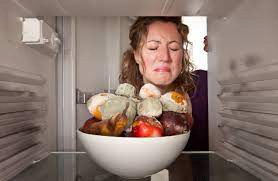
Reheating leftovers to a piping-hot temperature should not be an issue. However, every time you cool and reheat your meal, you allow bacteria to grow, thus doing it more than once increases the risk of foodborne illness. If you haven’t frozen your leftovers, eat them within two days. Many harmful substances cause decomposition, which will quickly become apparent in texture, smell, if in doubt, throw it out.
Whether it’s 1 second or 10, all bacteria and viruses need to get onto your food – and into your stomach. Although the moisture and stickiness of the food will alter the number of germs that attach to it. If you dropped it during food preparation and it can be saved, and you truly can’t stand throwing it away, rinse it and make sure it’s fully cooked to remove undesired bugs.
Putting hot food in the fridge can somewhat lower its total temperature, To reduce the chance of bacteria growing on hot food, cool it for up to 30 minutes at room temperature and place it in a shallow dish, cover it, and place it in the fridge, leaving room for air to circulate. Hazardous germs cannot develop at low temperatures, so set your fridge at between 2 and 5 degrees Celsius.
The key to keeping a chopping board clean is to properly clean it after each use with hot, soapy water, especially if you’ve been using it for raw meat, fish, or shellfish. Dr Dean O. Cliver’s research on food microbiology and toxicity found that wooden chopping boards retain less bacteria than plastic boards, especially if the plastic has been scratched by blades, offering easy locations for bacteria to hide before moving onto other food. Wood absorbs bacteria because it is porous. Glass and stainless-steel cutting boards, unlike wood, are not porous.
Freezing may not always eliminate microorganisms that can contaminate food. The recent frozen berry recall serves as a reminder that diseases such as Hepatitis A can survive freezing, freeze-drying, and temperatures below 85 degrees Celsius. Washing frozen berries does not solve the problem. When the berries begin to defrost, the warmer circumstances allow the bacteria to awaken and multiply. To ensure that your berries are safe to eat, boil or cook them for at least a minute at more than 85 degrees Celsius. then refrigerate them.
Vibrio is a type of bacteria naturally living in the sea, and some strains can cause gastroenteritis when consumed. Eating raw or undercooked shellfish, even fresh, can make you ill. Cases of Vibrio parahaemolyticus illness and hospitalizations have been increasing every year over summer. Cook shellfish thoroughly before eating, and keep raw shellfish away from other cooked or ready-to-eat food.
Because Campylobacter, Salmonella, and other bacteria that cause disease live on raw chicken, chicken in New Zealand has already been washed, so you don’t need to do it again. Rinsing or washing it will allow these bacteria to spread to other places of your kitchen It’s also not a good idea to use the same cutting board, cutlery, or plate for raw and cooked chicken. Anything that has come into contact with raw chicken should be rinsed with hot, soapy water before being used for any other food, including your hands.
If the “use by” date on a packaged food has passed, throw it away. It is not safe to consume. It is prohibited to sell food that has passed its “use by” date. After the “best before” date, food should still be safe to consume, but its quality has probably diminished. Stores may sell food that has passed its “best before” date as long as it is still fit for human consumption. Check the expiration date on your food labels so you can decide whether to eat it or throw it away.
In actuality, leaving your defrosted food on the bench is the way to allow bacteria to flourish in a pleasant environment. Germs grow at temperatures ranging from 5 to 60 degrees Celsius, so thaw your food in the fridge or microwave.
FOOD SAFETY:
Follow these fundamental food safety standards to keep your food healthy and avoid illness:
Food poisoning can be avoided if you store your food properly.
Refrigerator Safety:
Safely Eating Out: