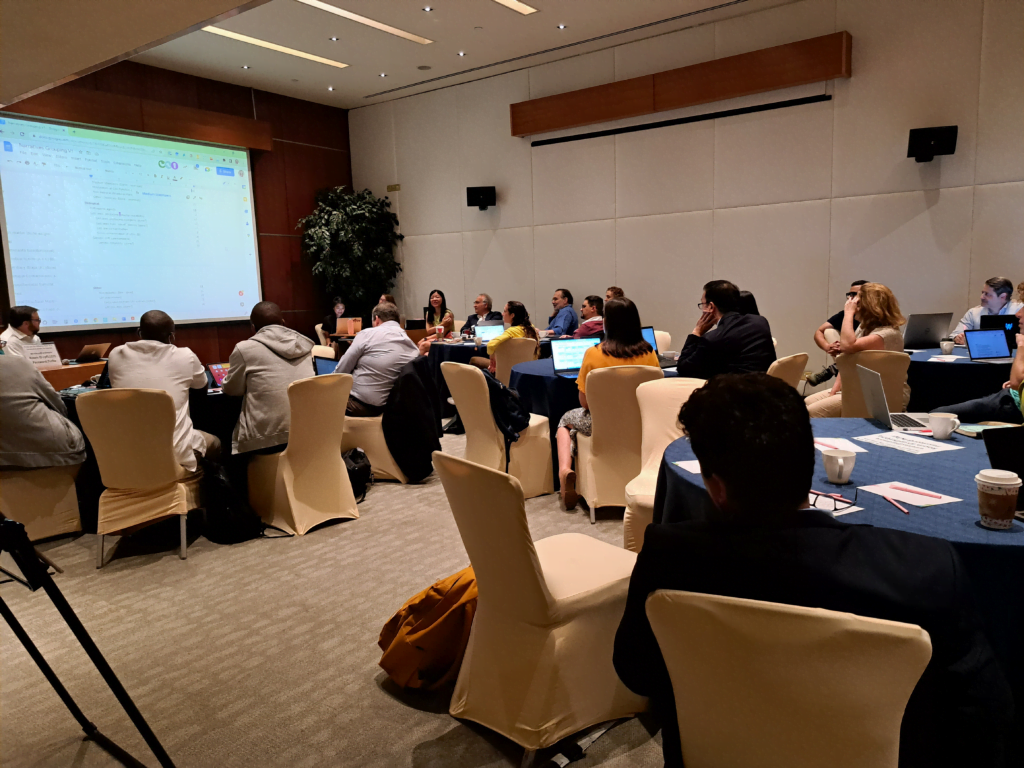
A group of 24 specialists from 15 nations met in the Republic of Singapore to identify the food safety risks related with cell-based foods. The meeting was organized by the Food and Agriculture Organization of the United Nations, in partnership with the World Health Organization.
Cell-based food production involves cultivating animal cell isolates and processing them to create food items that are similar to their animal counterparts, such as meat, poultry, and aquatic animal products. As global protein demand rises, many in the food industry are exploring for ways to broaden the range of protein sources that are both environmentally sustainable and nutritionally balanced. Cell-based food manufacturing frequently takes place in carefully monitored environments.
According to the experts, there is a danger of microbiological contamination, chemical residues, or byproducts during manufacture or processing with cell-based food as there is with conventionally produced food. They came to the conclusion that cell growth can be inhibited by microbial contamination during culture. If the cells have grown and achieved product expectations for harvest, it suggests that such contamination did not occur during the manufacturing process but could occur post-harvest, as with any other food product.
This production processes can use risk mitigation technologies that are now accessible for the management of existing hazards, such as appropriate hygiene standards and Hazard Identification and Critical Control Points (HACCP). The technical panel emphasized that the utilization of resources, inputs, ingredients, and equipment that may be unique to cell-based food production would require careful consideration. While such applications may be new, experts believe that preventative procedures and safety assurance systems will be effective in mitigating such risks.
Singapore’s government, which hosted the meeting, is the first to approve a cell-based food product. In order to accomplish this, Singapore created a checklist for evaluating the items’ food safety and released a policy document that includes instructions for developers and businesses on how to comply with the legal criteria and register their business.
Markus Lipp, Senior Food Safety Officer for the FAO said, we are grateful to the specialists and the Singapore Food Agency for sharing their valuable experience and technical knowledge on cell-based food. The study on the food safety aspects of cell-based foods has benefited from the knowledge, technical competence, and regulatory experiences of the SFA and numerous other national food safety authorities.
The technical panel noted the need for determining appropriate terminology such as the nomenclature can have a significant impact on consumer perception and relevant regulatory requirements like labelling. The panel advises that responsible authorities in the field of food safety take suitable terminology into consideration. As part of larger initiatives to assist understanding and management of these new food items, the results of the expert consultation will be made available in a booklet that will be released in early 2023.