
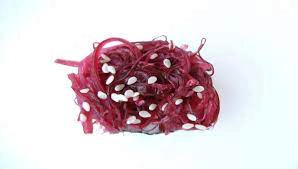
The FAO and WHO have drawn attention to a number of food safety risks associated with consuming seaweed as well as a lack of information and regulation. The research examines current food safety information on seaweed harvested from wild populations and aquaculture. China and Indonesia are by far the biggest producers, along with other Asian countries.
According to the UN Food and Agriculture Organization and the World Health Organization, a risk assessment of important seaweed hazards is required to appreciate their public health relevance. With a growing population and a search for sustainable food production methods, demand is anticipated to increase. Around the world, seaweeds are used as sea vegetables in soups and salads, as sushi wrappers, and as ingredients in a variety of dishes.
Outbreak and Hazards related to consumption of seaweed:
The consumption of seaweed has been linked to a number of risks, including exposure to heavy metals and marine biotoxins. After consuming a frozen seaweed salad imported from China in 2019, more than 100 people in Norway developed norovirus infections. A salad with red seaweed contributed to an outbreak of E. coli O7:H4 that resulted in nearly 3,000 patients in Japan in 2020.
Death associated with consumption of seaweeds are rare, hazards present in moderate to minor food safety concerns. Factors affecting presence of hazards are physiology, production season, type of seaweed, harvesting method and processing. It includes Microbial hazards contain salmonella, bacillus, norovirus. Chemical hazards such as heavy metals like cadmium and inorganic arsenic, organic pollutants such as dioxins and polychlorinated biphenyls, radionuclides and pesticide residues. And physical hazards like glass, metal, crustacean shells, nano plastics, allergens. Hazards also vary according to factors such as the quality of the harvested or procured seaweed food product, consumer handling techniques, and whether it is consumed raw or processed.
Hazard occurrence is determined by elements including seaweed classes and families, the age before harvest, environmental conditions during production, and handling and processing. Drying is the primary way of processing seaweed; other procedures include fermentation, blanching, freezing, or a combination.
Rules and Regulations:
In October 2021, a joint FAO-WHO expert panel on seaweed safety produced a number of recommendations, including the gathering and analysis of national and regional data on seaweed use and the monitoring of such food and feed products for risks. The ideas, according to FAO fishery officer Esther Garrido Gamarro, could contribute in the creation of international Codex rules or standards as well as regional and national legislation.
The regulations and procedures would, in turn, protect consumer health while ensuring the production, processing, and use of seaweed for food and feed. The maximum quantities of inorganic arsenic, cadmium, lead, and mercury in edible seaweeds are regulated in China and France, respectively.