
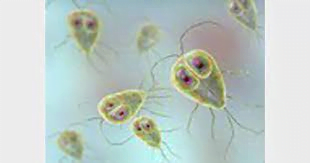
A high amount of contamination was discovered when researchers examined products in Spain for two foodborne parasites. Giardia duodenalis and Cryptosporidium oocyst prevalence was examined in green leafy vegetables sold in Valencia, Spain. Iceberg, romaine, oak leaf, and kale cabbage samples were provided. Giardia duodenalis is spread through food when polluted water is used for food preparation or irrigation, as well as when food handlers have inadequate hygienic and sanitary practises.
It contained 129 vegetable samples, 65 of which came from organic farms in Spain and 64 from conventional farms. According to the study that was published in the International Journal of Food Microbiology, 40 were overall positive.
Higher rates in organic produce:
Two strategies were employed. In the first case, Giardia duodenalis was found in 30 out of the green leafy vegetables that were examined. Results were deemed doubtful when they were positive using one approach instead of six.
Only 10 samples tested positive for Cryptosporidium, but 34 were deemed questionable. The frequency of vegetables from organic and conventional farming was identical for samples that were confirmed to be positive. Autumn exhibited the largest proportion of optimism.
The existence of both parasites was only confirmed in two cases of iceberg lettuce from Murcia’s conventional farming, both of which were harvested in the spring. Giardia duodenalis test results for 12 suspected cases of Cryptosporidium contamination were also positive. One sample of lettuce tested positive for Cryptosporidium but maybe harboured Giardia.
The discovery of the parasite via cysts, oocysts, or parasite DNA was found to be significantly correlated with organic farming, oak leaf lettuce, and samples collected in the spring. Spring and summer were the seasons in which samples were found to be most positively disposed. This may be due to the insufficient rainfall and the subsequent requirement for more irrigation. According to scientists, there is also an increase in animal activity and animal-crop interactions. When moistened, oak leaf lettuce expands in width and is likely to be completely covered. The lettuce’s deformed leaves include depressions that enable water seep into the internal layers.
The high amount of contamination discovered in organic veggies may be attributable to the type of fertilizers used and the quality of the water used for irrigation and great hygiene precautions should be used while handling vegetables.
Italian findings:
In second case, Fresh vegetables from Italy and other countries was examined for parasite contamination. Several forms of Giardia duodenalis and four Cryptosporidium species were found. Entamoeba histolytica was discovered in imported blueberries and Giardia-like cysts in local raspberries in a study published in the International Journal of Food Microbiology.
324 packs of three different brands of local RTE mixed salads, as well as 324 packets of blueberries from Peru, blackberries from Mexico, and raspberries from Italy, were purchased from supermarkets in the Apulia regions of Bari and Foggia. Giardia duodenalis prevalence was clearly seasonal, peaking in the spring, while Cryptosporidium did not exhibit any discernible seasonal fluctuations. The findings show that insufficient management of fresh produce, both locally grown and imported, along the food chain has the potential to harm human health, researchers concluded.