
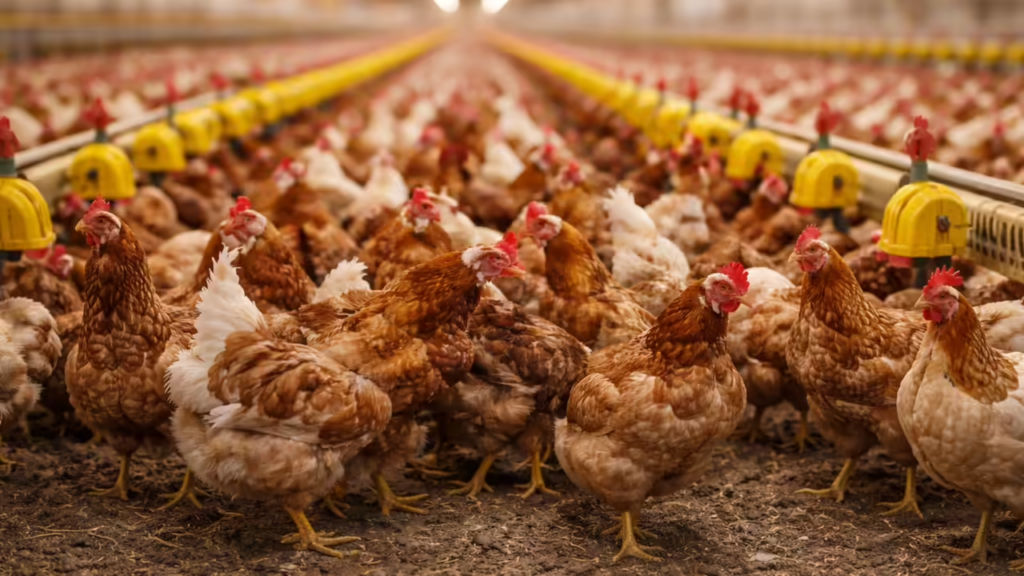
Saudi Arabia has announced a temporary suspension of poultry and egg imports from 40 countries following outbreaks of highly pathogenic avian influenza (HPAI), including the H5N1 strain.
The decision was published in an updated list by the Saudi Food and Drug Authority (SFDA), which stated that the move is precautionary and aimed at safeguarding public health and the domestic poultry sector. Some countries have reportedly remained on the restricted list since as early as 2004.
Avian influenza outbreaks, largely driven by the H5N1 strain, have been spreading globally since 2021. The virus has affected:
While sporadic human infections have been recorded, health authorities worldwide have confirmed that no sustained human-to-human transmission has been observed. The overall public health risk is currently considered low, but monitoring continues due to concerns about potential viral adaptation.
The total suspension applies to poultry and egg imports from the following 40 countries:
Japan, South Korea, Vietnam, Indonesia, China, Cambodia, Laos, Hong Kong, Kazakhstan, Mongolia, Azerbaijan, Bulgaria, Iran, Slovenia, Iraq, Egypt, Nigeria, India, Niger, Bosnia and Herzegovina, Afghanistan, Cameroon, Sudan, Burkina Faso, Serbia, Montenegro, Djibouti, Ivory Coast, Britain, Bangladesh, Myanmar, Nepal, South Africa, Mexico, North Korea, Libya, Palestine, Taiwan, Germany, and Ghana.
In addition to the total ban, Saudi authorities imposed partial restrictions targeting specific provinces or states in 16 countries. These include:
The SFDA clarified that the ban does not apply to poultry meat or products that have been heat-treated or processed using methods capable of eliminating avian influenza or Newcastle virus. However, such products must:
The authority stated that the restrictions will remain in place until disease risks are reassessed and controlled in the affected exporting countries.