In recent years, concerns about environmental sustainability have prompted researchers to explore alternative packaging materials. One promising innovation in this field is the development of edible films, which could transform the way we package and consume seafood.
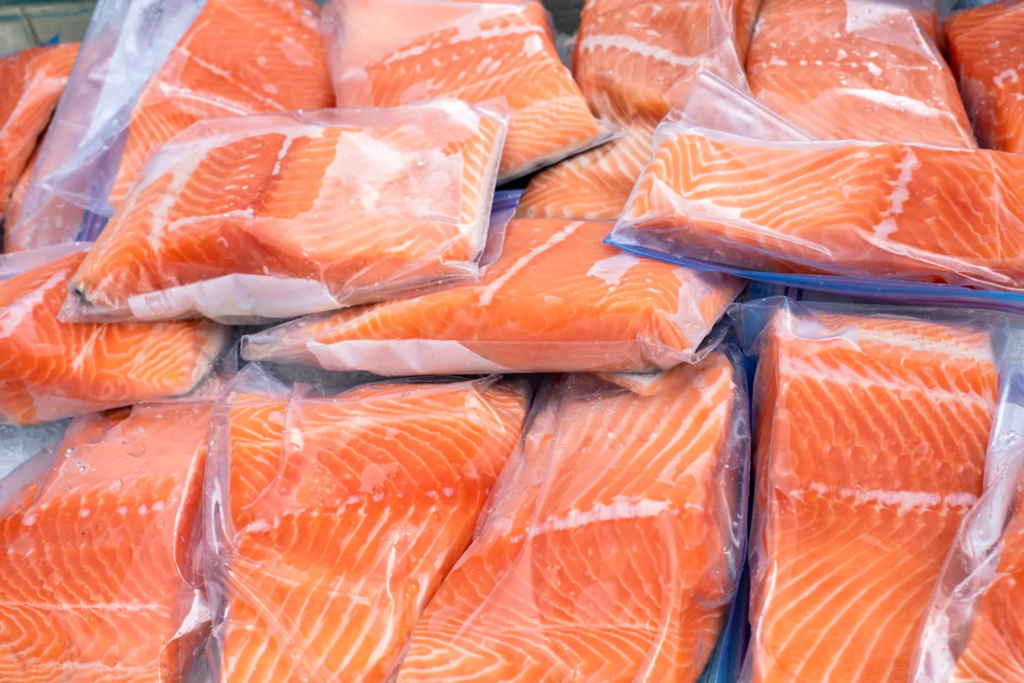
A group of researchers from Greece and Italy published a study in which they developed edible films and evaluated their viability as biodegradable packaging materials for fresh gilthead seabream fillets.
What Are Edible Films?
Edible films are thin, flexible layers made from natural ingredients such as pectin, gelatin, and hydroxypropyl methylcellulose. These films are designed to wrap around food items, providing protection and extending shelf-life, much like traditional packaging materials.
Why They’re Important:
Conventional packaging materials, particularly plastics, contribute significantly to environmental pollution. With almost half of global plastic waste originating from packaging, finding sustainable alternatives is crucial. Edible films offer a solution by reducing reliance on single-use plastics and minimizing waste generation.
Behind the Research:
Researchers conducted extensive testing to assess the effectiveness of edible films in seafood packaging. The produced films were tested as alternative and environmentally friendly packaging materials for gilthead seabream fillets during refrigerated storage,” the study stated, further adding, “The results showed that the developed films may reduce the use of conventional petroleum-based food packaging materials without affecting the shelf-life of fish.”
Mechanical properties, optical properties, and water barrier capabilities were among the factors evaluated. The goal was to ensure that these films could maintain the freshness and quality of seafood products without compromising safety.
Benefits of Edible Films:
The adoption of edible films represents a significant step towards achieving sustainability goals in the packaging industry. As consumer demand for eco-friendly options continues to grow, the market for innovative packaging materials is expanding. Edible films offer a promising avenue for reducing plastic waste and promoting environmentally responsible practices.
In conclusion, the development of edible films holds immense promise for revolutionizing seafood packaging and beyond. By harnessing natural ingredients and innovative technology, we can create packaging solutions that are both effective and environmentally sustainable. As we strive towards a greener future, edible films stand out as a deliciously innovative solution to the challenges of modern packaging.