
Mushroom Poisoning in the France
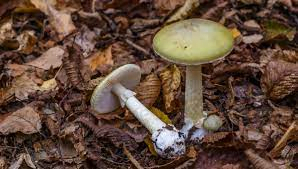
France has recorded more than 60 illnesses linked to wild mushrooms since the beginning of September.Due to periods of extreme heat and drought, there were surprisingly few poisoning incidents in July and August 2022; however, recent weather patterns have promoted the growth of wild mushrooms. In reality, there has been an upsurge in the number of poisoning cases reported to poison control centers since the first of September—over 60 cases have already been noted since then. These incidences of poisoning have been caused by a variety of factors, including eating edible mushrooms that are overcooked or in poor condition, mistaking poisonous species for edible species, and occasionally using a smartphone app to identify wild mushrooms that provide inaccurate information.
Good Practices to avoid Mushroom poisoning:
The ANSES, poison control centers, and Directorate General for Health advise that you should:
Autumn’s arrival heralds the start of the wild mushroom collecting season. Despite being a common delicacy, certain types of wild mushrooms can be harmful or even lethal to humans. Whether you are a regular picker or a connoisseur, you should exercise caution and follow the best procedures to ensure safe consumption.
History:
There were 1,269 cases reported to French poison control centers between July and December 2021. The bulk of the culpable mushrooms had foraged, however several incidents involved commercially purchased mushrooms.
The majority of the symptoms were digestive, including nausea, vomiting, diarrhea, and abdominal pain. There were 41 serious cases, four of which resulted in death. One of the 15 young infants who was poisoned required a liver transplant. According to French officials, young children should not be given selected mushrooms.
There were 1,300 poisonings recorded between July and December 2020. Overall, 29 cases that were life-threatening were found, and five persons passed away.
Only pick mushrooms you are really familiar with, as certain toxic fungi look a lot like edible species, according to the French Agency for Food, Environmental and Occupational Health and Safety (ANSES), poison control centers, and the Directorate General for Health (DGS). The authorities advised against eating any mushrooms that had even the least doubt as to their identity before having them examined by a professional.
The time of the last meal and the appearance of the first symptoms should be noted, and any leftover wild mushrooms should be saved for identification. To assist poison control center professionals in determining the best course of action in the event of a disease, officials advise taking a picture of the harvested mushrooms before eating.
Swiss poisons information center Tox Info Suisse data showed 529 incidents of mushroom poisoning in Switzerland in 2021. Nearly 350 calls regarding conceivable mushroom poisonings in Belgium and Luxembourg were made to the Belgian Poison Center (Centre Antipoisons) in 2021.
Doctors in Germany record an average of 10 cases of mushroom poisoning annually to the German Federal Institute for Risk Assessment (BfR), while poison control centers in the federal states respond to more than 3,000 inquiries on the subject each year.
The field mushroom (Agaricus campestris) and edible Russula species are popular domestic edible varieties. Collectors frequently mix up the deadly death cap mushrooms with edible ones (Amanita phalloides). Eating even a small bit of death cap, which contains toxins that cause liver failure, can be lethal.
The death cap mushroom, which blooms from July to October primarily in forests but also in parks, is responsible for around 5% of all mushroom poisonings. According to the BfR, it is to blame for at least 80% of all fatal mushroom poisonings in Germany.
In Germany, Consumers are urged to be wary of wild garlic, too. people are using wild garlic to season foods like soups, sauces, and salads. Many people go hunting for the plant in the woodlands as soon as the season begins in the spring. It can, however, be mistaken for the deadly lily of the valley and autumn crocus.
German federal states’ poison control centers and the BfR have documented intoxications, some of which had significant repercussions and were frequently the result of bewilderment. In addition to Austria, Switzerland, and Croatia, cases are increasing in frequency in April and May. A green leaf rubbed between the fingers will typically be enough to distinguish wild garlic from deadly plants. It is best to leave the herb and immediately properly clean your hands if you cannot detect the distinctive garlic-like odor.
This test is not error-free, though. To distinguish it from its toxic siblings, gatherers of wild garlic must be familiar with the plant and all of its characteristics. If in doubt, the BfR warns against eating wild garlic that you have personally picked.