
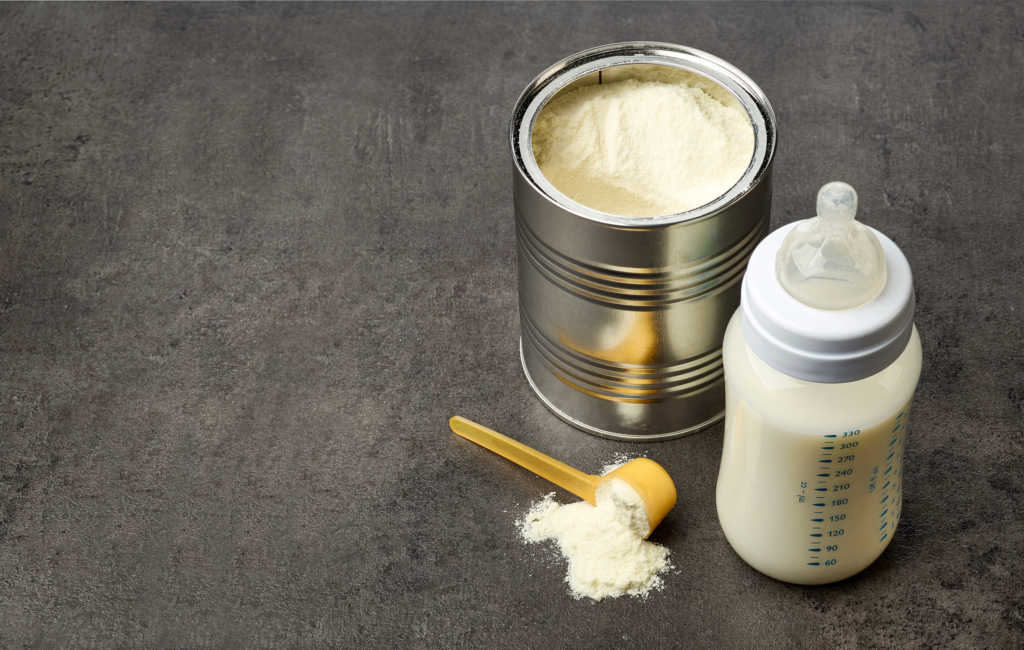
The European Union’s food safety regulator has issued new guidance stating that almost no amount of the toxin cereulide should be considered safe in infant formula, a move that could trigger further product withdrawals across global markets.
The European Food Safety Authority (EFSA) said on Monday that the reference dose for cereulide in infant formula should be set at 0.014 micrograms per kilogram, describing the recommendation as a “cautious approach.”
Because such a level is extremely difficult to detect, the guidance effectively signals a no-tolerance threshold, tightening expectations for manufacturers and regulators.
Cereulide, a heat-stable toxin produced by Bacillus cereus, has become the centre of a growing infant formula safety crisis involving major dairy and nutrition companies, including:
EFSA noted that the advice is intended to support EU risk managers in deciding when infant formula products should be withdrawn from the market as a precautionary public health measure.
This marks the first time EFSA has proposed a formal threshold for cereulide, and if adopted by the European Commission and EU member states, it may lead to fresh recalls and stricter compliance measures across the sector.
Before EFSA’s recommendation, companies were following national guidance with significantly higher toxin limits:
Nestlé, currently the most affected by contamination concerns, welcomed the new EFSA benchmark, saying it provides “further clarity on the food safety framework for cereulide in infant formula.”
Switzerland has also indicated it will align its standards with the EU’s approach.
EFSA warned that cereulide exposure can cause sudden gastrointestinal illness in babies, including:
In serious cases, symptoms may escalate quickly into dehydration and other complications, as very young infants metabolise toxins differently from adults.
The new guidance follows Nestlé’s recall of hundreds of infant formula products in more than 60 countries, linked to concerns over contamination.
French authorities are also investigating whether two infant deaths may be associated with consumption of Nestlé’s Guigoz formula.
Other manufacturers, including Danone and Lactalis, have also issued smaller-scale recalls.
Nestlé traced the contamination to an ingredient — arachidonic acid oil — sourced from a single supplier, later identified as Cabio Biotech Wuhan Co. in China.
Despite being one of the most tightly regulated food categories, infant formula continues to face challenges in balancing nutritional innovation with safety, especially as manufacturers expand supply chains with added functional ingredients designed to mimic breast milk.
Industry leaders have long called for global harmonisation of toxin testing methods and safety thresholds, a demand that EFSA’s new recommendation may accelerate.