
Avian Influenza Outbreak in Ireland
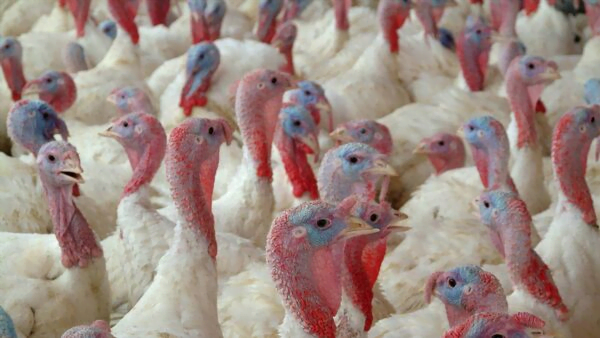
Avian flu has been detected in samples taken from a turkey flock in Co Monaghan. The Department of Agriculture, Food, and the Marine (DAFM) verified the H5N1 bird flu epidemic close to Clones. Further testing would be done to evaluate its pathogenicity. Poultry keepers with flocks in the restriction zones for avian influenza are legally required to abide by the zone restrictions. The protection zone of at least 3 km and a surveillance zone of at least 10 km from the affected area.
The H5N1 strain of highly pathogenic avian influenza is currently widespread among wild birds, particularly seabirds that breed close to Ireland. Large numbers of dead Gannets have been found at breeding colonies, and at sea, and are currently washing up on the coast, especially over the last three weeks as a result of rigorous surveillance by NPWS and reports from others.
The avian influenza virus can live in the environment for several weeks and is highly infectious among birds. Even if bird carcasses are removed from an area, the region may still be infectious since the feces of infected birds carry a high level of virus. The National Parks and Wildlife Service (NPWS) has been conducting intensive monitoring and surveillance over the past few months to gather data on seabirds from important colonies and other locations around the island.
Although the H5N1 subtype can cause serious illness in poultry and other birds, the Health Protection Surveillance Centre has confirmed that the risk to humans is very low. According to Agriculture Minister Charlie McConalogue, every effort is being made to reduce the threats that the avian flu poses, and the outbreak will be managed and Christmas stock shortages won’t occur. The department and the poultry industry were collaborating to make sure that every precaution was taken to limit outbreaks.
Risk always exists; all we can do is use extreme caution. It won’t necessarily disappear, but the risk will be reduced.
The owner of one poultry farm in Kildare has expressed concern over the supply of turkeys for Christmas. Supply may become a problem if there were more cases, even though the company was resilient and had some surplus. Similar breakouts in other parts of Europe and in Britain would also affect supply. Eoghan De Barra, an expert in infectious illnesses, stated that there were extremely few occurrences of human-to-human transmission and no known examples of transmission from bird to human.
The proactive measures included improved biosecurity and confinement regulations under the Animal Health and Welfare Act 2013. The Department of Agriculture has also advised strict adherence to preventative measures against bird flu. These regulations compel all flock keepers to apply enhanced biosecurity measures and confine all poultry and captive birds in their ownership.
Poultry owners have been advised to keep an eye out for any signs of sickness in their flocks and to report any disease suspicions to their local Department Regional Veterinary Office. The symptoms include abrupt death, head swelling, throat and neck discoloration, appetite loss, and respiratory discomfort. There is no proof that eating poultry meat, poultry meat products, or eggs pose a risk to human health, a department official emphasized.
Consumer Advice:
Members of the public are advised by the Department of Agriculture, Food, and Marine:
Any suspected instances of avian influenza should be reported to DAFM via the Avian Check App, or you can call the avian influenza hotline at 016072512 or 014928026 outside of office hours. Due to the potential for further spreading avian Influenza among Ireland’s seabird population, the issuance of seabird ringing permits under Section 32 of the Wildlife Act has been postponed.