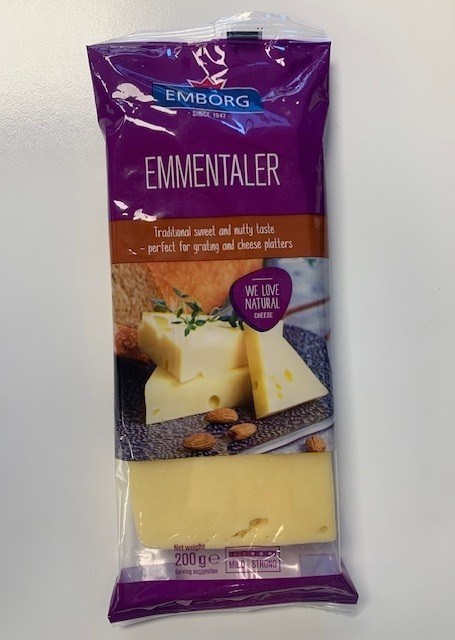
Food safety authorities in New Zealand have announced a recall of Emborg Emmentaler Cheese (200 g) due to the possible presence of Listeria monocytogenes. The recall was initiated on March 15, 2026, by Goodfood Group Limited and is being managed under the oversight of New Zealand Food Safety.
The affected product is an imported cheese from Germany, highlighting the ongoing food safety challenges associated with global dairy supply chains. Although no illnesses have been reported so far, authorities have taken a precautionary approach to prevent any potential health risks.
The recalled product is Emborg Emmentaler Cheese in a 200 g pack, carrying a best-before date of 05 November 2026. It was widely available across the country, having been sold through retail outlets, supermarkets, and online platforms throughout New Zealand, increasing the likelihood of consumer exposure.
Listeria monocytogenes is a pathogenic bacterium capable of causing listeriosis, a serious infection that primarily affects vulnerable groups such as pregnant women, elderly individuals, and those with weakened immune systems. Unlike many other foodborne pathogens, Listeria can survive and grow under refrigeration conditions, making ready-to-eat foods like cheese particularly susceptible if contamination occurs during processing or handling.
Symptoms of listeriosis may include fever, muscle aches, nausea, and gastrointestinal discomfort, and in more severe cases, neurological complications such as confusion or loss of balance. The infection can have severe consequences in high-risk individuals, including complications during pregnancy. Another challenge with Listeria infections is that symptoms may appear several days to weeks after consumption, making it difficult to trace the source of contamination.
Consumers who have purchased the affected Emborg Emmentaler Cheese are strongly advised not to consume the product. They should check the date marking on the back of the packaging and return any affected product to the place of purchase for a full refund. While no cases of illness have been linked to this product so far, individuals who have consumed it and feel unwell are encouraged to seek medical advice as a precaution.
This recall underscores the importance of robust food safety controls, particularly for imported dairy products, and highlights the need for continuous monitoring, testing, and traceability within international supply chains. It also serves as a reminder for consumers to remain vigilant about recall notices and to follow safe food handling practices at home.