
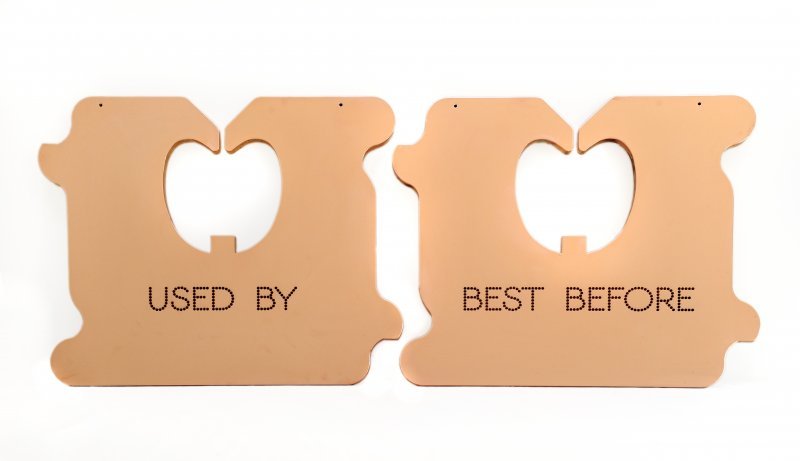
In today’s fast-paced world, where packaged foods dominate supermarket shelves, understanding date markings on labels is essential for both safety and sustainability. Many consumers assume that “use by” and “best before” dates mean the same thing, but in reality, they serve different purposes. Knowing the difference can help you make safer food choices, reduce food waste, and save money.
A “use by” date indicates the safety limit of a food product. Foods with this label, such as milk, meat, seafood, or ready-to-eat meals, must be consumed before the date shown to avoid health risks. After this date, the food may no longer be safe to eat, even if it looks or smells fine.
In many countries, it is illegal to sell food past its “use by” date because consuming it may cause foodborne illness. For example, if chicken is marked “Use by 11 October,” it should be eaten or cooked by that date and not stored for later use.
The “best before” date refers to the quality of the food, not its safety. After this date, the product might lose some of its taste, texture, or nutritional value, but it is still safe to eat if stored properly. This label is commonly found on dry, canned, or frozen foods such as cereals, biscuits, or pasta. For instance, crackers marked “Best before 15 August” may taste less crisp after that date, but they are not harmful to consume.
Bread is the only food that can carry a “baked on” or “baked for” date instead of a “use by” or “best before” date if its shelf life is less than seven days in some countries such as Australia, NZ. These markings indicate when the bread was baked or intended for sale, helping consumers identify its freshness.
Some foods, particularly those with a long shelf life of two years or more, such as canned foods, dried beans, or sugar, do not need a “best before” date. These products retain their quality for extended periods and are generally consumed before they spoil.
If you freeze food that has a “use by” date, remember that freezing pauses the shelf life countdown. However, once thawed, the food should be used immediately, as the original “use by” date no longer applies. Proper storage is also essential for maintaining food quality and safety—always follow the storage instructions on the packaging.
When buying discounted or marked-down products, always check the date marking to ensure it is within the “use by” period. If the date is covered by a price sticker or unclear, ask the store staff for clarification. Being aware of these markings helps you avoid foodborne risks while preventing unnecessary food waste.
Across the world, millions of tonnes of food are wasted every year—often because consumers misunderstand date labels. By learning to interpret “use by” and “best before” dates correctly, we can make informed decisions that protect our health, save money, and contribute to global food sustainability.