
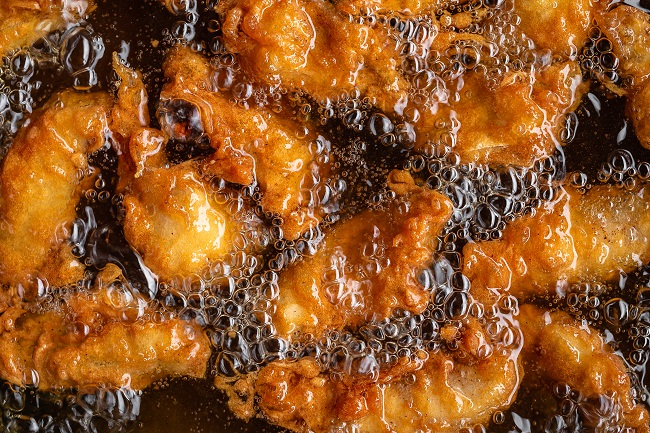
Frying is one of the most common cooking methods used across the world — from crispy samosas and crunchy fries to golden chicken wings. It’s fast, flavorful, and satisfying. Yet, achieving that perfect golden crunch requires more than just hot oil. Many home cooks and even professionals often make small mistakes that can ruin the texture, taste, or even safety of the food. Let’s explore the ten most common frying mistakes and the science behind avoiding them.
The foundation of good frying lies in the choice of oil. Every oil has a specific smoke point — the temperature at which it begins to break down, releasing toxic compounds and unpleasant flavors. Many people use oils like butter or extra virgin olive oil for deep frying, which have relatively low smoke points. This leads to burnt flavors and potential health hazards. It’s best to choose oils with high smoke points and neutral flavors, such as refined sunflower, peanut, or canola oil. According to data from the USDA FoodData Central and the U.S. Food and Drug Administration (FDA), oils like these remain stable and safe at temperatures between 200°C and 230°C, ideal for most frying tasks.
Another major error is frying without controlling the temperature. When oil is too hot, the exterior browns quickly while the inside stays raw. On the other hand, if it’s too cool, food absorbs excess oil and turns greasy. Many people rely on visual cues, but oil temperature can change rapidly. The optimal frying range is between 160°C and 190°C, depending on the food. A simple kitchen thermometer can make all the difference, ensuring consistent results and reducing food waste. The USDA’s Food Safety and Inspection Service recommends maintaining the right temperature for both quality and safety.
Patience is key when frying. A common mistake is adding too much food to the pan at once. Doing so causes the oil temperature to drop suddenly, leading to soggy, unevenly cooked food. Studies in the Journal of Food Engineering show that overcrowding reduces heat transfer and delays the formation of the crisp outer layer. To prevent this, fry in smaller batches and give the oil a few moments to regain its temperature before adding more food.
Moisture is the enemy of crispiness. Placing wet ingredients directly into hot oil causes violent splattering and uneven cooking. It also makes the coating less crunchy. Always pat ingredients dry with a clean kitchen towel or paper napkin before frying. Additionally, letting refrigerated food rest for 10–15 minutes before cooking helps stabilize temperature and reduce moisture.
Many households reuse oil multiple times to cut costs, but doing so can be dangerous. Repeated heating causes oil to degrade, forming harmful compounds such as aldehydes and free radicals that can contribute to inflammation and oxidative stress. Overused oil also darkens in color and develops a rancid odor. The Food Safety and Standards Authority of India (FSSAI) advises limiting reuse to a maximum of two to three cycles and filtering the oil after each use to remove food debris. Once the oil becomes thick or foamy, it should be discarded safely.
Another overlooked mistake is using the wrong utensils while frying. Plastic spoons or non-heat-resistant ladles can melt, leaching harmful chemicals into the food. Aluminum pans, when used with acidic batters, may also react chemically. Stainless steel or cast-iron utensils are the safest and most durable options. According to the Codex Alimentarius standards by the FAO, cookware material plays an essential role in maintaining food safety and preventing chemical contamination.
When food crumbs remain in hot oil, they continue to burn, altering the flavor of the next batch and reducing oil life. This can also lead to the formation of harmful oxidation products. It’s wise to strain the oil once it cools down using a fine mesh sieve or cheesecloth before storing it. A study in the Journal of the American Oil Chemists’ Society (2018) notes that regular filtration significantly slows down the degradation of frying oil and improves food quality.
Cold batter or refrigerated ingredients can drastically lower the oil temperature, resulting in greasy and uneven frying. Bringing the batter to room temperature before cooking allows for even heat distribution and helps initiate the Maillard reaction, the chemical process that creates the golden-brown color and rich flavor of fried food. A review published in Comprehensive Reviews in Food Science and Food Safety (2019) highlights that proper temperature control enhances crispness while preserving internal moisture.
Once food comes out of the oil, it continues to carry surface oil that can make it soggy. Placing fried food directly on a plate or closed container traps steam and moisture, ruining the crispness. Instead, it should be placed on a wire rack or paper towel-lined tray to allow excess oil to drain and steam to escape. Letting food rest for a few minutes after frying also helps the crust set properly, improving both texture and taste.
Finally, one of the most important mistakes is neglecting basic safety and hygiene. Splattering oil, unclean surroundings, or improper disposal of used oil can all lead to accidents or contamination. Always keep a lid nearby to smother oil fires, and never use water on burning oil. Used oil should be collected in a sealed container and handed over to local waste management systems rather than poured down the drain, as it clogs pipes and harms the environment. FSSAI and environmental bodies like the CPCB (Central Pollution Control Board) have issued clear advisories on the responsible disposal of used cooking oil.
Frying may look simple, but it is both a science and an art. Understanding oil behavior, temperature control, and safety practices can transform your results from greasy to gourmet. The next time you fry, keep these ten lessons in mind — your food will not only taste better but will also be safer and healthier.