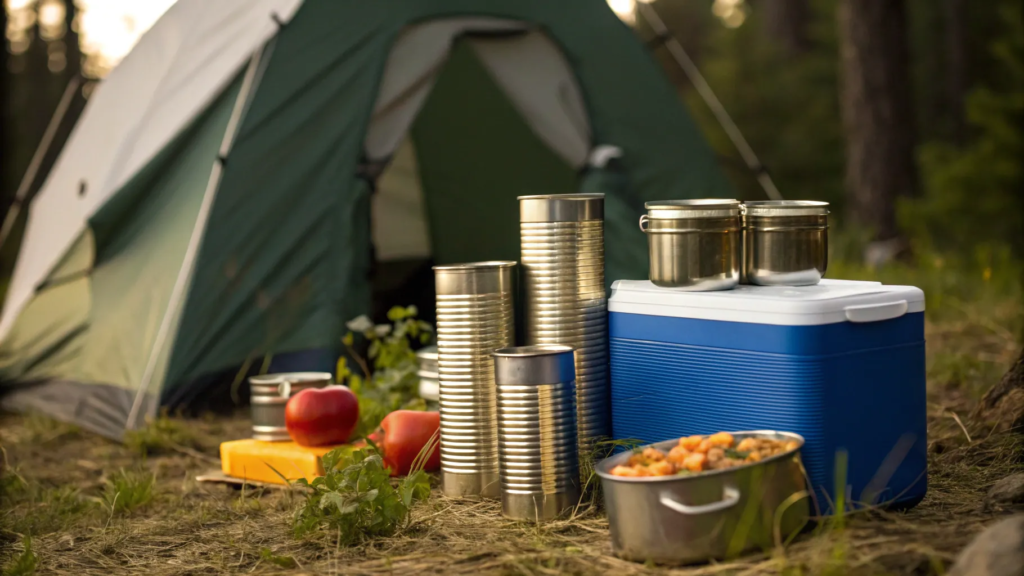
Camping and bushwalking are great ways to connect with nature, but food poisoning can quickly turn an enjoyable outdoor adventure into an unpleasant experience especially when you’re far from medical help, clean water, or proper sanitation. While foodborne illness can occur at any time of the year, warm weather increases the risk. With some simple precautions and smart planning, you can enjoy your trip without worrying about your food making you sick.
1. Choosing the Right Food for Your Trip
The food you take depends on your storage options, the length of your trip, and access to safe water. Aim to carry items that are non-perishable, lightweight, and easy to prepare.
Recommended food types:
Dried, UHT, and canned products: Freeze-dried or dehydrated foods are popular among bushwalkers because they’re safe, light, and take up little space.
Canned foods: Convenient for car camping but heavy for long treks.
Hard cheeses: Can be carried without refrigeration. Avoid soft cheeses unless a fridge is available.
Fresh fruits and vegetables: Suitable for short trips but spoil quickly in warm weather, so consider taking dried or canned alternatives for later days.
Tip: Choose smaller containers for canned or bottled foods so everything can be consumed in one meal most can’t be safely stored without refrigeration after opening.
2. Foods Safe to Carry
Some examples of safe and practical foods for camping and bushwalking include:
Dried foods, powdered milk, rice, pasta, and instant noodles
Canned vegetables, fruits, beans, and fish
Biscuits, crackers, bread, and breakfast cereals
Hard or processed cheese, nut spreads, honey, and jam
Jerky or other dried meats
Long-life milk, custard, cream, soups, and fruit juices
Dried fruit, nuts, confectionery, and stock cubes
3. Extra Precautions for Perishable Foods
Avoid raw or cooked meat, poultry, or dairy unless you have refrigeration.
Coolers using ice or ice bricks can keep perishable foods safe for about a day, but only if temperatures stay below 5°C.
If using dried foods, ensure you have enough safe water for rehydration. Water in the wilderness can be contaminated by animal waste or parasites such as Giardia — always boil it for at least one minute or use disinfection tablets (with caution).
Avoid leftovers unless they can be safely chilled to 5°C or below.
For overnight bushwalks, you can carry a frozen pre-prepared meal or frozen raw meat for the first night. Wrap it tightly, pack it deep inside your bag, and cook thoroughly before eating.
4. Using Coolers and Eskies
When using a cooler, temperature control and hygiene are crucial.
Choose one that’s well-insulated and easy to clean.
Never pack warm food — cool it first.
Keep raw meat and fish sealed in leakproof containers at the bottom of the cooler, away from ready-to-eat foods.
Use frozen gel packs, ice bricks, or saltwater bottles (which freeze at lower temperatures) instead of loose ice.
Pack food in frozen form where possible — it helps keep other items cool.
Limit how often you open the cooler. If possible, use separate ones for drinks and food.
Fill empty space with frozen water bottles for better temperature retention.
Store coolers in the shade and cover with a damp cloth or wet bag to enhance cooling.
5. Car Fridges and Electric Coolers
Portable fridges and electric coolers are convenient for car trips, but they have limitations.
Some models struggle to maintain a constant temperature as the outside temperature changes.
Electric coolers typically cool up to 30°C below the surrounding temperature and are not substitutes for refrigerators.
Use a fridge thermometer to monitor temperatures.
Ensure your power supply is consistent — running them for long periods can drain your car battery.
6. Cooking and Reheating Safely
Cooking food thoroughly is essential to kill harmful bacteria.
Use a meat thermometer to ensure proper cooking:
Poultry, sausages, stuffed meats, minced meats, and leftovers should reach 75°C in the centre.
Steaks and chops should reach 63°C (medium rare) and be rested for three minutes.
Always use clean plates and utensils for cooked foods never reuse those that touched raw meat.
Be mindful of fire restrictions before cooking on an open fire.
7. Safe Drinking and Cooking Water
Not all campsites provide safe drinking water. Always ensure your water is clean before using it for drinking, washing, or preparing food.
Bring your own bulk clean water where possible.
Boil any collected water for at least one minute to disinfect it.
Chemical tablets can be used but may not eliminate all parasites — follow instructions carefully.
Also, wash your hands thoroughly after using the toilet and before handling food. Set up a handwashing station near your campsite if facilities are limited.
8. Maintaining Camp Hygiene
Cleanliness plays a major role in preventing foodborne illness during camping trips.
Keep utensils used for raw foods separate from those for ready-to-eat foods.
Always wash and dry your hands thoroughly before handling food.
Cover food and keep it off the ground to protect it from dust, insects, and animals.
Dispose of food scraps properly — store rubbish in sealed bags to avoid attracting wildlife.
Wash and sanitize utensils and cooking gear regularly.
Dispose of wastewater and rubbish responsibly — use designated disposal sites or dump waste well away from natural water sources.
Key Takeaway
When you’re outdoors, safe food handling is as important as it is at home — if not more. Plan your meals, pack smartly, keep foods at the right temperature, ensure safe water, and maintain hygiene throughout your trip. These simple precautions will help ensure that your camping memories are filled with adventure — not food poisoning.