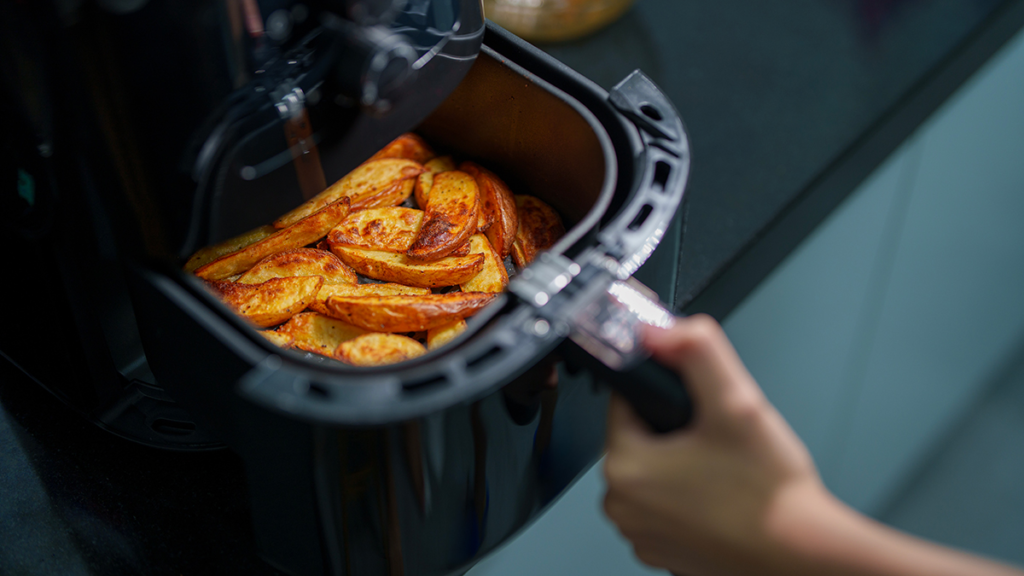
Air fryers have rapidly become one of the most popular kitchen appliances in modern households. Marketed as a healthier alternative to deep frying, these compact devices allow consumers to enjoy crispy, golden-brown foods without submerging them in oil. But as with all cooking methods, food safety remains an essential part of the process. Understanding how air fryers work and the precautions required can help ensure that your favorite meals are not only tasty but also safe to eat.
How Do Air Fryers Work?
An air fryer is essentially a countertop convection oven. It works by circulating hot air at high speed around the food, which creates a crispy texture similar to frying — but with little to no oil.
Here’s how it functions step-by-step:
The user places food into a fryer basket.
Once turned on, the air fryer’s heating element warms the air.
A powerful fan circulates this hot air rapidly, enveloping the food from all sides.
The airtight design keeps the heat inside, allowing for intense and even cooking.
Typical cooking times range from 5 to 25 minutes at 350°F to 400°F (175°C to 205°C), depending on the type of food and quantity. The result is a crisp outer layer with a tender interior — similar to traditional frying but achieved through air convection.
What Can You Cook in an Air Fryer?
Air fryers are incredibly versatile. You can prepare a wide range of foods, including:
Chicken wings, nuggets, and drumsticks
Pork chops and meatballs
Fish fillets and seafood
French fries and potato wedges
Baked goods such as muffins and cookies
Vegetables and reheated leftovers
One major advantage is that reheated foods retain their crispiness instead of becoming soggy, as often happens in microwaves.
Key Food Safety Concerns
While air fryers are convenient, improper use can lead to foodborne illness if the food isn’t cooked to a safe internal temperature or if cross-contamination occurs during preparation. Because air fryers are compact, overloading them may result in uneven cooking — leaving parts of the food undercooked and unsafe to eat.
Four Essential Food Safety Steps for Air Frying
To ensure your air-fried meals are safe and healthy, follow the four core food safety steps: Clean, Separate, Cook, and Chill.
1. Clean
Always wash your hands with soap and warm water for at least 20 seconds before and after handling food.
Clean and sanitize all countertops, cutting boards, and utensils before and after food preparation.
Regularly clean your air fryer basket and tray to remove grease and food residue that can harbor bacteria.
2. Separate
Avoid cross-contamination between raw and cooked foods.
Never place cooked food back onto a plate or tray that previously held raw meat, poultry, or seafood.
Use separate cutting boards — one for raw animal products and another for fruits, vegetables, and ready-to-eat items.
3. Cook
Do not overcrowd the air fryer basket. Allow space for hot air to circulate around the food.
Cook foods to their safe minimum internal temperature, verified with a food thermometer: Food TypeSafe Minimum Internal TemperatureFish145°F (63°C)Whole cuts of beef, pork, veal, and lamb145°F (63°C) + 3-minute restGround meats (beef, pork, lamb, etc.)160°F (71°C)Poultry (whole or ground)165°F (74°C)
For raw, stuffed, breaded chicken breast products, do not cook them in an air fryer. Always follow manufacturer instructions — these items often require conventional oven baking to ensure the filling reaches a safe temperature.
Tip: Each air fryer model has different wattage and cooking capacity, so always refer to the appliance manual and food packaging for specific guidance.
4. Chill
Refrigerate leftovers within 2 hours of cooking (or 1 hour if the room temperature exceeds 90°F / 32°C).
Foods left in the “Danger Zone” (40°F–140°F or 4°C–60°C) for extended periods can promote the rapid growth of harmful bacteria.
Store leftovers in shallow containers to help them cool quickly before refrigeration.
Why Food Thermometers Matter
Air fryers can sometimes brown the outside of food faster than traditional ovens, making it look done even when the inside is still undercooked. The only reliable way to ensure food safety is to check internal temperature with a calibrated food thermometer. This step eliminates guesswork and ensures that your meal is safe from pathogens like Salmonella, E. coli, and Listeria.
Additional Tips for Safe and Efficient Air Frying
Preheat the air fryer if recommended by the manufacturer for even cooking.
Shake or turn food halfway through cooking to promote uniform browning.
Avoid cooking from frozen unless the product is specifically labeled as safe for air frying.
Avoid using aerosol sprays directly in the fryer basket — they can damage the nonstick coating. Instead, use an oil mister or brush.
Regularly inspect the appliance for damage or residue buildup, as these can affect performance and safety.
Conclusion
Air fryers can be a wonderful addition to your kitchen — offering a healthier, faster, and more energy-efficient way to cook. But convenience should never come at the cost of food safety. By following proper hygiene, cooking, and storage practices, consumers can enjoy the benefits of air frying without the risk of foodborne illness.
Whether you’re preparing crispy chicken wings or reheating leftovers, remember: Clean, Separate, Cook, and Chill — the four golden rules for safe and delicious air-fried meals.