
Learn how to recognise common symptoms of food poisoning and when to seek medical help.
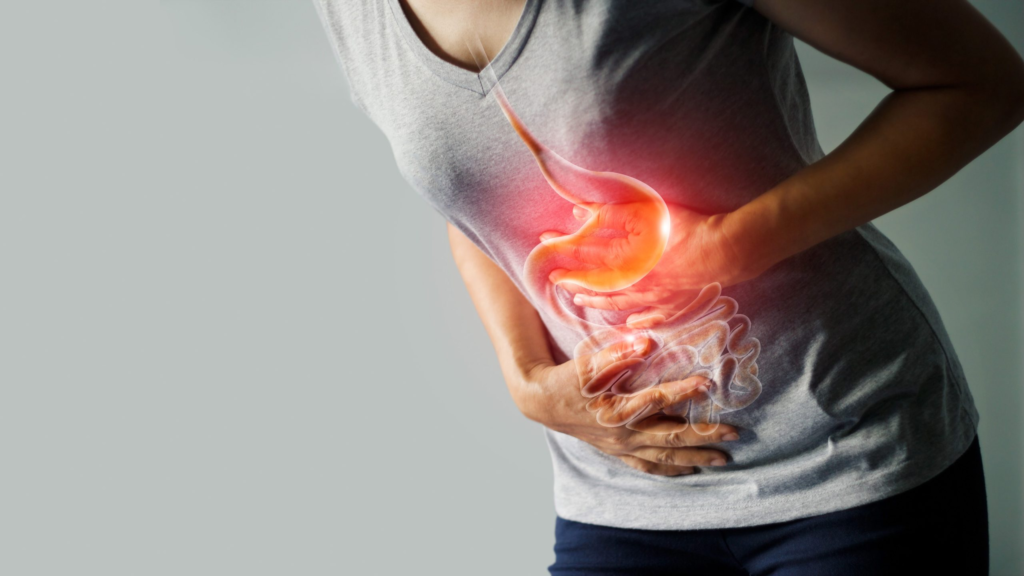
Food poisoning, also known as food-borne illness, happens when someone eats food contaminated with harmful bacteria, viruses, parasites, or toxins. It’s one of the most widespread public health problems, affecting millions each year. Contaminated food often looks, smells, and tastes normal, making it difficult to detect until symptoms appear. Understanding how to recognise these early signs can help you take quick action and prevent serious complications.
Most cases of food poisoning occur due to poor food handling or unhygienic conditions. Eating undercooked meat, poultry, or seafood, consuming unpasteurised milk or juices, and leaving food unrefrigerated for long periods can all lead to contamination. Cross-contamination — when raw food comes into contact with ready-to-eat food — is another major cause. Common pathogens include Salmonella, E. coli, Listeria, Campylobacter, and Norovirus.
Although symptoms vary depending on the type of microorganism or toxin involved, they mostly affect the digestive system. Recognising these seven key signs can help you respond appropriately.
This is often the first sign that your body is reacting to contaminated food. Vomiting is the body’s natural way of getting rid of harmful substances before they cause further damage. Staying hydrated is essential , sip water or oral rehydration solutions in small amounts until you can tolerate food again.
Watery or loose stools usually appear soon after infection and may last for a few hours to several days. This happens because your body is flushing out toxins. If diarrhoea persists beyond three days, or you notice blood or mucus in the stool, you should consult a doctor immediately.
Sharp or dull stomach pains and bloating are common when the intestines contract to expel bacteria and toxins. Taking rest, drinking plenty of fluids, and eating light meals like rice, toast, or bananas can help relieve discomfort until symptoms subside.
A mild fever is a sign that your immune system is fighting the infection. However, if your temperature rises above 38.5°C and doesn’t decrease, it could point to a more severe infection that requires medical attention.
Dehydration caused by loss of fluids through vomiting or diarrhoea often leads to headaches and weakness. You may also feel dizzy or unusually tired. It’s important to rest and keep replacing lost fluids to prevent further dehydration.
Muscle or joint pain is more common in viral food poisoning. These aches indicate your immune system is actively working to fight off infection. Gentle movement and proper hydration can help your body recover faster.
One of the most serious complications of food poisoning is dehydration, especially for children, pregnant people, and older adults. Warning signs include dry mouth, cracked lips, dizziness, and very little or dark-coloured urine. Severe dehydration requires urgent medical attention to avoid complications.
Most people recover from food poisoning within one to three days. However, you should seek medical care if you experience persistent vomiting or diarrhoea lasting more than three days, blood in vomit or stool, high fever, or signs of severe dehydration. Infants, elderly individuals, pregnant people, and those with chronic illnesses should contact a healthcare professional sooner.
Preventing food poisoning is largely about maintaining good hygiene and safe food practices. Always wash your hands before preparing or eating food, and make sure utensils and kitchen surfaces are clean. Keep raw meats separate from cooked or ready-to-eat foods to avoid cross-contamination. Cook food thoroughly to safe internal temperatures, refrigerate leftovers within two hours, and ensure your refrigerator temperature stays below 4°C.
When dining out, choose places that maintain visible hygiene standards and avoid food that seems undercooked or improperly handled.
Most food poisoning cases are preventable. By following basic hygiene practices and staying alert to early symptoms, you can protect yourself and your family from serious illness. Recognising these signs early allows for faster recovery and helps stop the spread of infection to others.
According to the World Health Organization, nearly one in ten people worldwide fall ill from eating unsafe food each year. Children under five account for a significant portion of these cases, making food safety awareness even more vital.
Source: Australian Institute of Food Safety