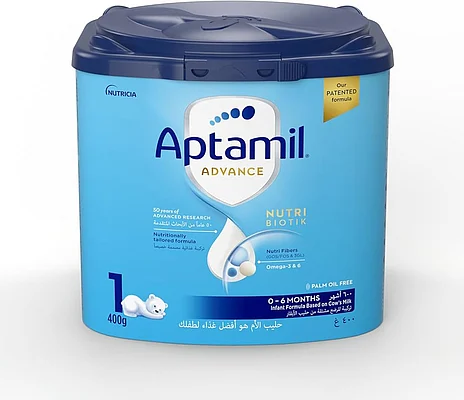
The UAE has recalled a specific batch of Aptamil Advance 1 POF infant formula following concerns over possible bacterial contamination that could pose health risks to infants.
The recall was jointly announced by the Ministry of Climate Change and Environment (MOCCAE) and the Emirates Drug Establishment (EDE) after traces of Bacillus cereus were detected in one of the production inputs. The bacterium is known to potentially produce cereulide, a toxin that may cause food poisoning and gastrointestinal symptoms such as nausea, vomiting, and abdominal pain.
The recall applies only to one batch of powdered infant formula:
No other Aptamil products are affected under the UAE recall.
Authorities confirmed that the affected batch has been removed from major retail outlets across the UAE. In coordination with Nutricia Middle East, all relevant batches held at distributor warehouses have been placed on hold, while procedures to withdraw any remaining quantities from physical and online stores are ongoing.
Consumers who have purchased the product are advised not to use it under any circumstances and to dispose of it safely.
Parents and caregivers can report possession of the affected batch or seek further information by:
Emailing the Emirates Drug Establishment at pv@ede.gov.ae
Calling the MOCCAE Contact Centre at 800 3050
While refund or replacement details were not specified in the recall notice, consumers are encouraged to contact the retailer or Nutricia Middle East directly for further assistance.
The UAE recall follows similar actions in Oman and Kuwait, where authorities also recalled the same batch of Aptamil Advance 1 POF as a precautionary measure. The batch was reportedly produced in May 2025.
The action comes amid heightened global scrutiny of infant formula safety, after Danone recalled selected batches of infant and follow-on formula in the UK and European Union earlier this month due to potential cereulide contamination, as reported by the Food Safety Authority of Ireland.
Authorities clarified that the Aptamil recall is not connected to the recent UAE recall of multiple Nestlé infant formula products, which involved different batches and brands following the detection of Bacillus cereus.
UAE regulators stated that the recall reflects ongoing efforts to strengthen the country’s food and pharmaceutical safety systems through continuous monitoring and swift regulatory action to protect public health, particularly vulnerable populations such as infants.
Source: Gulf News