Nestlé is managing what authorities describe as the largest product recall in the company’s history, after more than 800 batches of infant formula were recalled across over 60 countries on six continents due to potential contamination with cereulide, a heat-stable toxin produced by certain strains of Bacillus cereus.
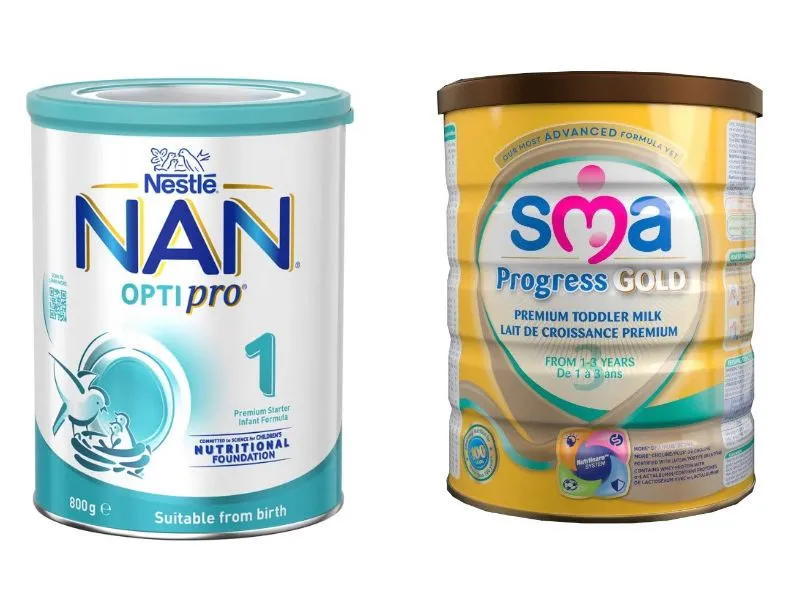
The recall affects infant, follow-on, pre-term, and specialized medical formulas, including popular brands such as NAN, S26, and ALFAMINO. According to Austria’s Health Ministry, the recall involves products manufactured at over 10 Nestlé factories worldwide.
Investigations indicate that the contamination originated from arachidonic acid (ARA) supplied by Cabio Biotech, a Chinese manufacturer based in Wuhan. ARA, which is naturally present in breastmilk, is permitted as an optional ingredient in infant formula in the European Union.
The issue arose when one non-compliant batch of ARA oil was used across multiple Nestlé production sites, leading to widespread contamination of finished products. Consumer advocacy group foodwatch International has criticized the extent to which a single raw material supplier impacted dozens of plants globally, raising concerns about the robustness of supplier oversight and ingredient traceability.
According to foodwatch, Dutch authorities were notified on December 9, 2025, following laboratory tests conducted on November 26 that detected Bacillus cereus. Nestlé reported the issue to the EU Rapid Alert System for Food and Feed (RASFF) on December 12.
However, public recalls in several countries were only announced weeks later, with some authorities alleging that “silent recalls” were conducted during the Christmas period. Austrian officials stated that this approach was inadequate, particularly for infant formula products.
“For infant formula, a silent recall is not an appropriate response when there is a potential unacceptable risk. Public health must come first, especially for babies,” said foodwatch spokesperson Van Gemert.
Powdered infant formula is not sterile and requires stringent manufacturing controls. Cereulide is of particular concern because it is resistant to heat and chemical treatment and cannot be reliably eliminated during preparation, even with boiling water.
While Nestlé has stated that no confirmed illnesses have been officially linked to the recalled products, numerous reports on social media describe infants experiencing vomiting and gastrointestinal symptoms, leading to confusion and anxiety among parents.
Public health groups warn that delayed recalls, fragmented communication, and inconsistent batch disclosures increase the risk of exposure, especially in regions with limited access to recall information.
The incident has reignited debate around the limitations of existing food traceability frameworks. Under EU Regulation (EC) No 178/2002 and Regulation (EU) No 931/2011, food businesses must maintain “one step back, one step forward” traceability.
Critics argue that this model works retrospectively, but lacks real-time, lot-level operational visibility across complex global supply chains.
In contrast, the US FDA Food Traceability Rule (FSMA §204) requires:
The FDA has proposed extending the compliance deadline for FSMA 204 by 30 months to July 20, 2028, a move now being closely watched by regulators and industry stakeholders.
At the recent Codex Committee on Food Hygiene, the International Baby Food Action Network (IBFAN) successfully pushed for an urgent revision of the 2009 Code of Hygienic Practice for Powdered Formula, which primarily addresses Cronobacter and Salmonella, but not Bacillus cereus.
Analysts estimates that the recall could expose Nestlé to losses of up to US$1.3 billion, disputing the company’s claim that the impact will be below 0.5% of total sales. Nestlé’s share price has reportedly fallen over 4.6% since the recall expanded globally and is now approximately 42% below its January 2022 peak.
The crisis adds to long-standing criticism of Nestlé regarding infant formula marketing practices, product safety, and corporate transparency. Advocacy groups argue that the company’s response has undermined public trust, particularly given its history of promoting itself as a brand “trusted by millions of mothers.”
Nestlé has stated that the recall is voluntary and precautionary, conducted in full cooperation with local authorities. The company maintains that all non-affected batches remain safe to consume and has launched batch verification tools, refund mechanisms, and consumer helplines, particularly across the Middle East and North Africa (MENA) region.
The Nestlé infant formula recall highlights systemic vulnerabilities in global food safety governance, particularly in supplier oversight, traceability implementation, and crisis communication. As regulatory agencies and international bodies reassess existing frameworks, the incident may become a defining case for future reforms in infant nutrition safety and global food traceability systems.
Source: Nestlé formulas recalled in 60+ countries over contamination risk | Baby Milk Action