
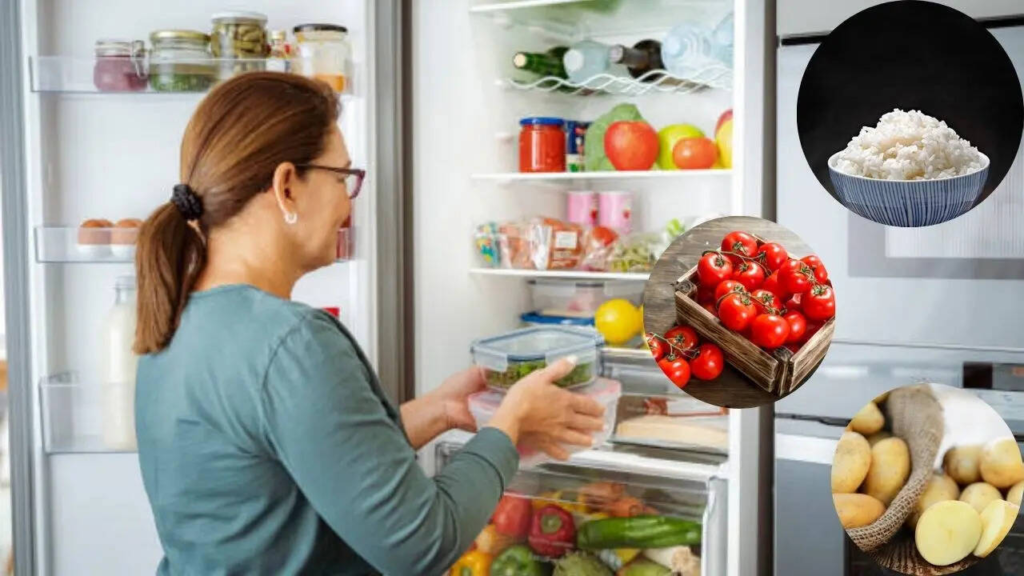
Refrigeration is often seen as the safest place for almost everything we eat. While the fridge does slow down spoilage and bacterial growth, it can actually damage certain foods affecting their taste, texture, nutritional quality, and even safety. Understanding what not to refrigerate is just as important as knowing what belongs inside.
Storing potatoes in the fridge may seem logical, but cold temperatures cause the starch to convert into sugar. This not only makes potatoes taste unpleasantly sweet but can also lead to the formation of higher levels of acrylamide when they are fried or baked at high temperatures. Potatoes do best in a cool, dark, well-ventilated place outside the refrigerator.
Whole onions don’t belong in the fridge. Moisture inside the refrigerator can make them soft and encourage mold growth. In addition, onions absorb surrounding odors easily, which can affect both the onion and nearby foods. Keep them in a dry, airy spot away from potatoes.
Cold storage alters the texture of garlic, making it rubbery and encouraging sprouting. Over time, garlic stored in the fridge may also develop mold. Whole garlic bulbs are best stored at room temperature in a dry place with good air circulation.
Refrigeration stops the ripening process of tomatoes and breaks down the cell structure responsible for their juiciness and flavor. As a result, refrigerated tomatoes often taste bland and have a mealy texture. For the best flavor and nutritional quality, tomatoes should be stored at room temperature.
Putting bread in the fridge actually makes it go stale faster due to starch retrogradation. While refrigeration may delay mold growth slightly, it dries out bread and affects its texture. If bread needs long-term storage, freezing is a better option than refrigeration.
Honey is naturally shelf-stable due to its low moisture content and antimicrobial properties. Refrigerating honey causes crystallization, making it thick and difficult to use. Stored in a sealed container at room temperature, honey can remain safe and usable for years.
Coffee absorbs moisture and odors very easily, which makes the fridge a poor storage location. Cold temperatures also cause condensation that can degrade coffee quality. To preserve flavor and aroma, coffee should be stored in an airtight container in a cool, dark cupboard.
Many oils solidify or become cloudy in the fridge, which can affect texture and consistency. While this doesn’t usually make the oil unsafe, it can degrade flavor over time. Oils are best stored at room temperature away from heat and light.
Refrigeration slows down ripening enzymes in many tropical fruits. Bananas turn black, mangoes fail to develop proper flavor, and unripe avocados may never soften correctly. These fruits should ripen at room temperature and only be refrigerated once fully ripe, if needed.
Delicate herbs such as basil wilt quickly in the fridge due to cold sensitivity. Basil, in particular, loses its aroma and turns dark. Instead, store it like fresh flowers—standing in water at room temperature—or loosely wrapped in a dry towel.
Improper storage doesn’t always make food unsafe immediately, but it can reduce nutritional value, change chemical composition, and affect taste and texture. In some cases, such as potatoes, refrigeration may even contribute indirectly to the formation of harmful compounds during cooking.
Your refrigerator is a powerful tool for food preservation—but only when used correctly. Not all foods benefit from cold storage, and some are better protected by dry, cool, and ventilated conditions. Knowing which foods should never touch your fridge helps reduce food waste, preserve flavor, and support safer eating habits.