
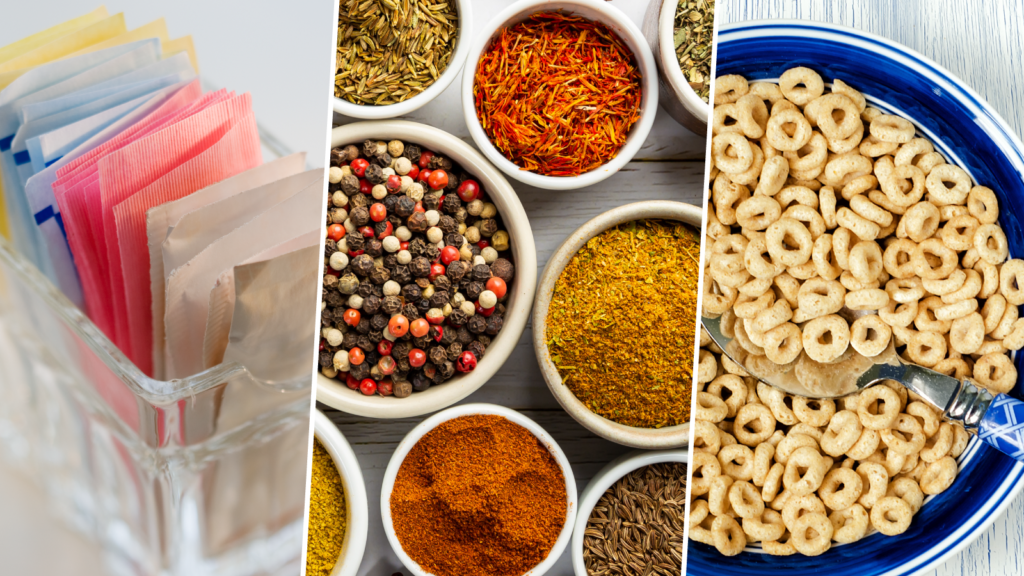
Food additives are everywhere—from the bread we eat to the juices we drink. Yet, they remain one of the most misunderstood parts of our food system. Viral social media posts, half-explained studies, and fear-based marketing often convince people that additives are “chemicals to avoid.”
But the truth is far more nuanced. Food additives are regulated, studied, and monitored more strictly than many other components of our diet. So, what does science really say?
Food additives are substances added to food to perform specific functions such as improving safety, enhancing taste, preserving freshness, maintaining texture, or enriching nutritional value. Some come from natural sources like plants and minerals, while others are made synthetically to mimic or improve natural compounds.
Despite the variety, their purpose is the same—making food safer, more stable, and more enjoyable.
Preservatives prevent the growth of harmful bacteria, yeasts, and molds. Without them, packaged foods would spoil much faster and could pose serious health risks.
Additives extend shelf life, which helps consumers, retailers, and manufacturers reduce food wastage.
Fortification—adding vitamins and minerals—is also a form of food additive usage. It has helped address deficiencies like iodine, iron, and vitamin D in many countries.
Emulsifiers, stabilizers, and antioxidants help keep products consistent and appealing, from smooth ice creams to fresh-looking juices.
Before any additive is allowed in food, it undergoes a detailed safety evaluation by major regulatory bodies such as FSSAI, FDA, EFSA, and WHO. These organizations review toxicological data, exposure levels, metabolism studies, and long-term health effects.
A key outcome of this evaluation is the Acceptable Daily Intake (ADI)—the amount a person can consume daily over a lifetime without risk. ADIs include a huge safety margin to protect even vulnerable populations.
Once approved, additives continue to be monitored, and new evidence can lead to changes, restrictions, or bans. This system ensures consumer protection is always the priority.
Ingredients like sodium benzoate or potassium sorbate are considered safe within regulated limits. They prevent microbial growth and are essential for food safety. Problems arise only when limits are exceeded—usually due to poor manufacturing practices, not the additive itself.
Artificial colors receive a lot of attention, especially concerning children. Some colors have been restricted in certain countries, but for those still permitted, scientific committees continue to find them safe within acceptable limits.
MSG has been the target of myths for decades. However, global scientific authorities—including FDA, EFSA, and WHO—recognize it as safe. The “Chinese Restaurant Syndrome” widely shared online has no strong scientific basis.
Sweeteners like stevia, sucralose, and aspartame are regulated carefully. They are considered safe for the general population within ADI levels, though certain groups, such as individuals with PKU, must avoid aspartame.
These help maintain texture and consistency in foods. While some studies explore their relationship with gut health, current evidence supports their safety within regulated levels.
Consumers often believe natural additives are safer than synthetic ones. But safety depends on dose, not origin.
A natural additive like carmine can cause allergic reactions, while synthetic vitamin C is chemically identical to the natural version. The body does not differentiate.
What matters is whether an additive is evaluated, approved, and consumed within safe limits.
For most people, the answer is no as long as they maintain a balanced diet. Approved additives have passed multiple layers of scientific review. Real risks arise from:
Moderation, label awareness, and choosing reputable brands make food safety much easier to manage.
Food additives are one of the most heavily studied and regulated components of modern foods. They play essential roles in safety, nutrition, quality, and sustainability. While it’s natural to be cautious, fear should not replace scientific evidence. When used correctly and within regulated limits, food additives are safe for consumers.
Balanced eating habits—rather than avoiding every chemical-sounding ingredient—are what truly protect long-term health.