
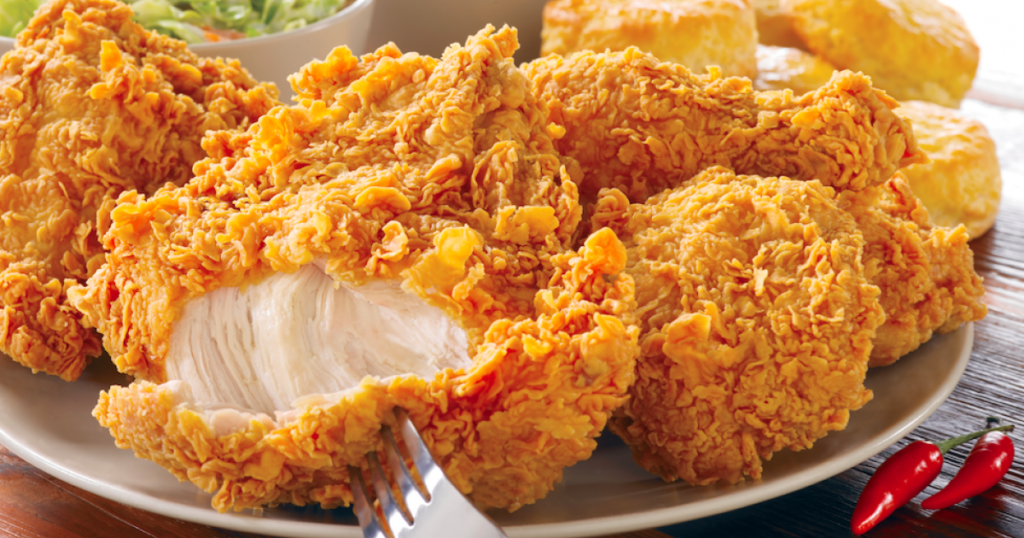
Fried foods are a comfort staple worldwide — from crispy chicken and samosas to French fries and pakoras. But once the meal is over, the question often arises: how long can leftover fried foods be safely eaten?
Food safety isn’t just about appearance or taste; microorganisms that cause foodborne illnesses can grow even when food looks fine. According to the U.S. Centers for Disease Control and Prevention (CDC), foodborne pathogens cause approximately 48 million illnesses and 3,000 deaths annually in the United States. Improper storage of leftovers including fried foods contributes significantly to these numbers.
A 2019 study in the Journal of Food Protection found that bacterial counts in cooked chicken increase exponentially when held at room temperature beyond two hours. Moisture and protein content make fried chicken and similar foods especially susceptible to Bacillus cereus and Listeria monocytogenes.
Repeated heating or prolonged storage causes oxidation of unsaturated fatty acids in frying oils, forming aldehydes and peroxides. According to a 2021 review in Food Chemistry, oxidized oils are associated with inflammatory effects and off-flavors.
Even under refrigeration, fried foods can develop rancidity due to leftover surface oil, reducing both safety and palatability.
Cold storage leads to moisture migration, making the coating soggy. Reheating restores crispness somewhat but not completely. Freezing causes ice crystallization, damaging structure — a common reason why fried foods lose their crunch.
1. Cool Quickly:
Allow food to cool no more than 30–40 minutes before refrigeration. Divide into shallow containers (less than 2 inches deep).
2. Use Airtight Containers or Wraps:
Exposure to air accelerates oxidation. Use foil or airtight glass containers. Avoid stacking fried foods when storing — it traps steam and softens texture.
3. Reheat Properly:
4. Discard if in Doubt:
If food smells rancid, feels slimy, or tastes off, discard it immediately. No visible mold doesn’t mean it’s safe — toxins may already be present.
Frequent reheating or reusing frying oil increases harmful compounds such as acrylamide and polycyclic aromatic hydrocarbons (PAHs), both linked to oxidative stress and potential carcinogenicity. Hence, both the food and the oil should be handled carefully.
Leftover fried foods can be safe , but only when stored and reheated correctly. Follow the “2-hour rule” for room temperature, refrigerate promptly, consume within 3–4 days, and reheat thoroughly before eating.
Food safety isn’t about waste, it’s about wellness. A few extra steps in handling your crispy leftovers can help prevent foodborne illness and keep your favorite treats both delicious and safe.
Sources: