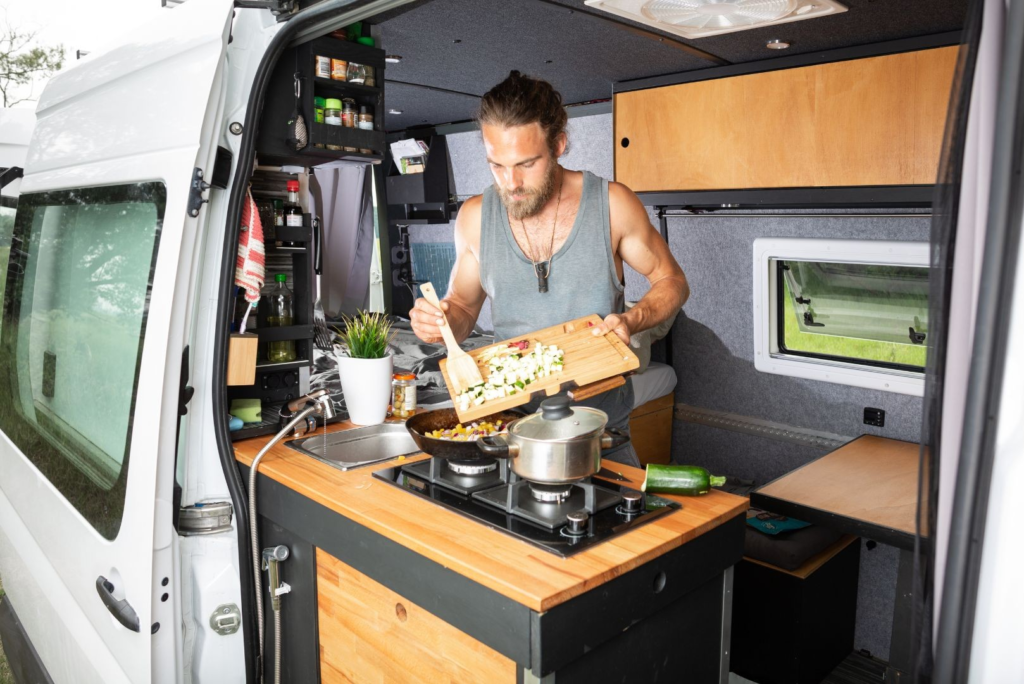
Road trips in caravans or campervans are all about freedom, fresh air, and discovering new places. But amid the excitement, one thing that should never be overlooked is food safety. With limited space, changing temperatures, and restricted access to fresh water, preparing and storing food while travelling can be a challenge. Following a few simple precautions can ensure your journey is remembered for the right reasons not for a bout of food poisoning.
1. Clean: Start with Safe Hands and Surfaces
Cleanliness is the foundation of food safety, especially when your kitchen is on wheels.
Follow the 20/20 rule: Wash your hands for 20 seconds with warm soapy water and dry them for another 20 seconds before handling food.
Repeat this frequently, especially after touching raw meat, seafood, or unwashed vegetables.
Wash all utensils, chopping boards, and benches with hot soapy water and dry them thoroughly before using them for different foods.
Always keep a supply of clean water, disposable wipes, or hand sanitiser for times when running water isn’t available.
2. Chill: Keep It Cold, Keep It Safe
Food that should be chilled must always be kept below 5°C. When you’re travelling, this can be tricky — but it’s crucial for preventing bacterial growth.
Use a fridge thermometer to ensure your caravan or camper fridge stays at or below 5°C.
Store meat, poultry, dairy, and salads in sealed containers.
Refrigerate leftovers immediately in covered containers or freeze them straight away.
Defrost frozen foods in the fridge, not on the bench.
If food has been left out for more than 2 hours, it’s safest to throw it away.
3. Cook: Heat Thoroughly, Serve Hot
Cooking food properly destroys harmful bacteria.
Cook chicken, sausages, minced or boned meats, hamburgers, and stuffed meats right through to 75°C.
Serve hot food steaming hot above 60°C.
Always defrost poultry, rolled roasts, and stuffed meats thoroughly before cooking.
Follow the cooking instructions on packaged foods carefully.
Use a meat thermometer to ensure correct internal temperatures.
4. Separate: Prevent Cross-Contamination
Cross-contamination happens when bacteria from raw food spread to cooked or ready-to-eat food.
Keep raw and cooked food separate at all times.
Store raw meat and poultry in leak-proof containers on the bottom shelf of the fridge so juices don’t drip onto other foods.
Never reuse plates, knives, or chopping boards that have touched raw meat unless they’ve been washed thoroughly.
5. Your Travelling Kitchen: Stay Organised and Clean
Cooking in a caravan or campervan means working with less space, fewer appliances, and often, limited water. Planning ahead makes a big difference.
If water is limited, carry extra chopping boards and knives or buy pre-chopped ingredients.
Keep lots of leak-proof containers or zip-lock bags to store raw food and prevent spills.
Wipe benches before and after food preparation using clean cloths or disposable wipes.
Buy fresh local produce when possible — it supports small communities and ensures freshness.
6. Watch the Temperature Danger Zone (5°C to 65°C)
Bacteria multiply fastest in the temperature range between 5°C and 65°C, known as the temperature danger zone. To stay safe:
Keep a thermometer in the fridge and monitor it regularly.
Don’t overload the fridge — allow air to circulate for even cooling.
Remove non-perishables like jam or pickles if you need extra space.
Cool cooked food quickly before refrigerating.
If leftovers or perishable foods have been unrefrigerated for more than 2 hours, discard them.
Freeze food in small portions to avoid waste and make thawing easier.
Always reheat food until it is steaming hot (above 65°C) before eating.
7. Canned and Dried Foods: Your Reliable Travel Companions
Canned and dried foods are ideal for long trips where fresh food may be hard to find.
Keep a good stock of canned vegetables, beans, soups, and dried pasta or milk powder.
Use safe, clean water to rehydrate dried foods.
Once opened, transfer leftover canned foods to airtight containers and refrigerate promptly. Consume within two hours or as soon as possible.
8. BBQ Safety on the Road
Outdoor barbecues are a highlight of any camping trip, but they can also be a source of contamination if not handled properly.
Cook poultry, sausages, minced meats, and boned roasts until they reach 75°C (no pink meat, clear juices).
Use a clean plate for cooked food never the one that held raw meat.
Only cook what you plan to eat; food left unrefrigerated for more than 2 hours should be discarded.
9. Safe Water Supply: Don’t Take Risks
Even in remote or pristine areas, natural water sources are not always safe to drink.
If your caravan or camper has a water tank, ensure it’s sealed and cleaned regularly.
If uncertain about the local water supply, use bottled water or a portable water purifier.
Chemical disinfectants like iodine tablets can be used, but only in clear water and according to instructions.
Avoid using untreated water for washing ready-to-eat foods or preparing drinks.
10. The Final Check: Safe Food, Safe Journey
Food poisoning can turn a dream trip into a nightmare. By keeping food out of the danger zone, washing hands often, cooking foods properly, and storing them safely, you can ensure that your adventure is memorable for all the right reasons.
After all, food safety is the secret ingredient to a happy holiday.