
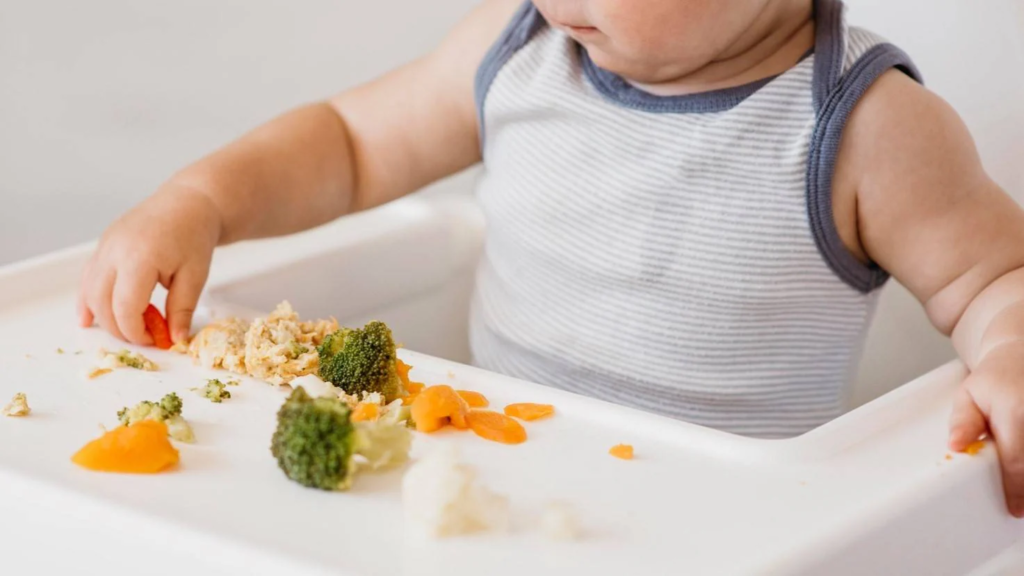
Infants and young children are especially vulnerable to foodborne illnesses. Their immune systems are not yet fully developed, and their stomachs produce less acid, which means harmful germs can survive more easily in their bodies. Because of this, extra care is needed when preparing, storing and serving food to them.
One of the most important steps is knowing which foods to avoid. Raw or undercooked meat, poultry, fish and shellfish should never be given to young children because they may carry dangerous bacteria or parasites. Similarly, raw seed sprouts such as alfalfa and clover, as well as uncooked fermented meats like salami, can pose risks unless the label specifically states that the product has been heat treated.
Dairy products and fruit juices made from unpasteurised milk or fruit should also be avoided, as these can contain harmful microbes. Another food that carries a unique risk is honey, which should not be fed to infants under 12 months due to the possibility of botulism. Raw eggs and foods prepared with them, like homemade mayonnaise or ice cream, can also cause illness unless thoroughly cooked. In addition to microbial risks, foods that are hard, small, round or sticky can cause choking and should be kept out of young children’s diets.
Good hygiene is just as important as choosing safe foods. Parents and caregivers should wash their hands thoroughly before preparing meals and ensure that chopping boards, utensils and kitchen surfaces are properly cleaned and dried. Teaching children the basics of hygiene early—such as washing hands before meals, after using the toilet or after playing with pets—helps build healthy habits and reduces the spread of germs.
There are times when extra precautions are needed, particularly if a caregiver has gastroenteritis. In such cases, it is best to avoid preparing or handling food for infants. If possible, another person should step in, or commercially packaged baby foods can be used until the illness has passed. Breastfeeding, however, can safely continue during this period.
Sterilisation of feeding equipment is another crucial step in protecting babies from infection, particularly in the first three months of life. Bottles, teats and cups should be sterilised either by boiling them in water for five minutes or by using sterilising solutions, which remain effective for up to 24 hours if used correctly. Breast pump equipment should also be cleaned thoroughly, though tubing often requires sterilisation only if milk has entered it.
For infants who are breastfed, expressed milk should be stored safely in sterile containers with lids. It can remain in the refrigerator for up to 48 hours or be frozen for as long as three months. Frozen milk should be thawed gradually in the fridge or by placing the container in warm water. Microwaving is not recommended because it can create uneven heating and destroy some of the milk’s protective properties. Any milk left over after a feed must always be discarded.
Formula-fed babies also require careful handling. Powdered formula should be prepared fresh each day, stored in the fridge for no more than 24 hours, and warmed by standing the bottle in hot water. As with breast milk, leftover formula should never be reused.
When it comes to solid food, both commercial and homemade options require caution. Commercially prepared baby foods should be checked carefully for intact seals, correct storage instructions and use-by dates. If a jar fails to “pop” on opening, or if a pouch or can is swollen or leaking, the food should not be used. Once opened, food should be refrigerated and fed from a clean dish rather than directly from the container to avoid contamination.
Homemade baby foods demand the same level of care. Food should be cooked thoroughly, cooled quickly, and stored in the fridge for no more than three days. Freezing small portions in ice cube trays is a practical way to prepare ahead, but once defrosted, food should not be refrozen or reused after a meal.
For food packed to take to childcare centres, preparation should be done with the same attention to hygiene, and perishable items kept cool with ice packs or frozen drinks. Fruits and vegetables should be washed thoroughly, and leftovers returned from daycare should always be discarded rather than reused.
Food safety for infants and young children is not just about avoiding foodborne illness—it is about building the foundation for healthy growth and development. By being mindful of the foods offered, maintaining strict hygiene and storage practices, and preparing meals with care, parents and caregivers can reduce risks significantly. Safe feeding protects not only a child’s health today but also supports their long-term wellbeing.