
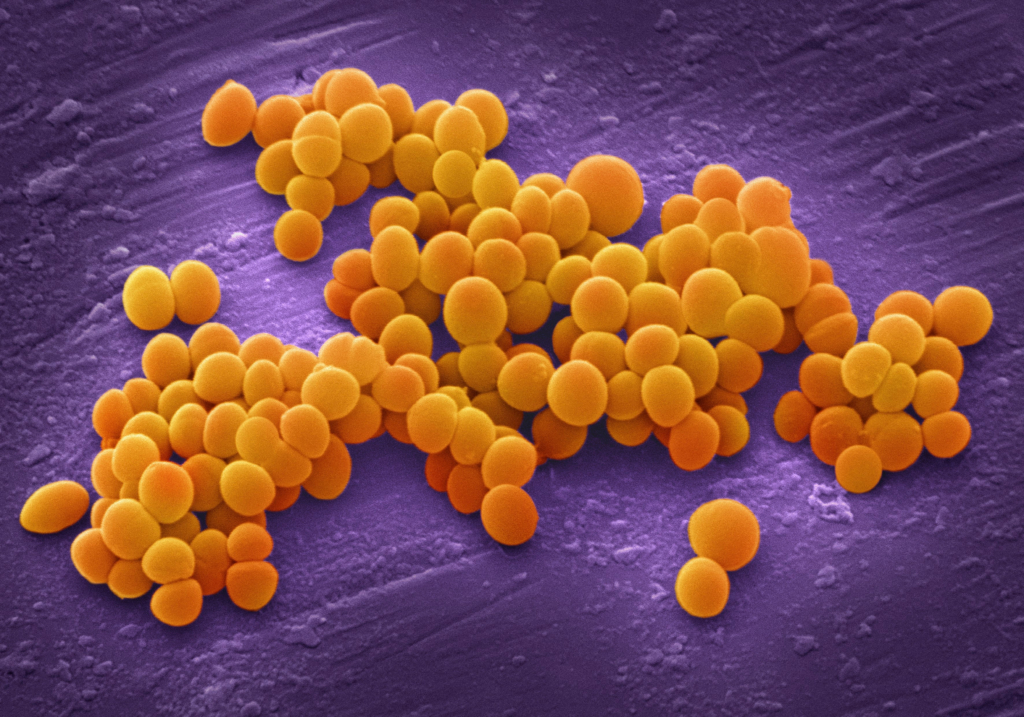
Food lies at the intersection of human, animal, and environmental health, making it a key factor in the global challenge of antimicrobial resistance (AMR). When bacteria become resistant to antibiotics, the medicines that once treated infections effectively may no longer work. This resistance can spread through the food chain, creating a serious risk to public health and food safety.
Antimicrobial resistance doesn’t develop in isolation. The way food is produced, processed, and consumed plays an important role in its spread. Antibiotics are widely used in agriculture and animal husbandry not just for treating illness, but sometimes for growth promotion or disease prevention in livestock. Overuse and misuse in these settings can accelerate the development of resistant bacteria.
These resistant bacteria can then make their way into the human population through:
Foodborne illness is already a widespread public health issue. The emergence of antibiotic-resistant strains makes the situation more dangerous. Infections caused by resistant bacteria are harder to treat, often requiring longer hospital stays, stronger medications, or in some cases, no effective treatment at all.
Vulnerable groups—such as children, the elderly, and people with weakened immune systems—face the highest risks. For them, resistant foodborne infections can mean more severe illness and higher chances of complications or death.
Globally, scientists and food regulators are paying closer attention to AMR in the food system. In Australia, Food Standards Australia New Zealand (FSANZ) is examining the presence of antimicrobial-resistant bacteria in the food supply. Meanwhile, CSIRO is conducting research on strategies to minimise the spread of resistance through agricultural and food production practices.
This collaborative approach—linking food safety, animal health, and environmental stewardship—reflects the “One Health” perspective, which recognises that the health of people, animals, and ecosystems are interconnected.
While regulatory bodies and researchers continue to address AMR at a systems level, food handlers, producers, and consumers can all play a part in reducing risks. Important steps include:
Antimicrobial resistance is not just a medical challenge—it’s a food safety challenge. The food we eat can either contribute to the spread of resistance or, with careful handling and responsible practices, help limit its impact.
By aligning safe food handling practices with broader efforts to reduce antibiotic misuse, we can protect both human health and the integrity of our food system. The fight against AMR requires vigilance, cooperation, and a shared commitment to ensuring that the food we eat remains both safe and nourishing.
Source: https://www.foodsafety.asn.au/topic/anti-microbial-resistance/