
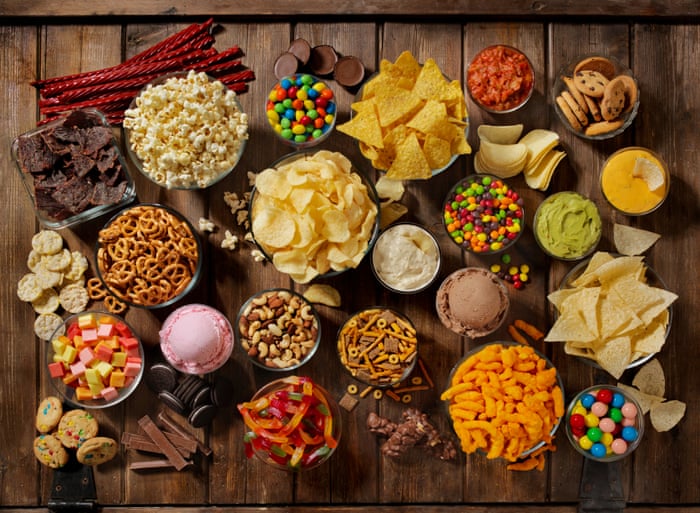
A groundbreaking study has uncovered how ultra-processed foods contribute to colon cancer by triggering inflammation and what dietary changes could help prevent or treat the disease. Researchers are looking at whole, nutrient-rich foods such as leafy greens and seafood as potential keys to offsetting the damage caused by unhealthy diets.
Colon cancer is currently the second-leading cause of cancer-related deaths in the United States, with a worrying rise in cases among younger people. While prior studies have linked ultra-processed foods—like chips, packaged desserts, refined carbohydrates, and sausages—to various health issues, this new research adds to the mounting evidence of their role in driving cancer.
The study, conducted by researchers from the University of South Florida and Tampa General Hospital Cancer Institute, analyzed over 100 tumor samples from patients. They discovered that these tumors contained high levels of inflammatory bioactive lipids—molecules that promote inflammation. In contrast, the tumors lacked molecules known to lower inflammation and support healing.
This imbalance of inflammatory and healing compounds in tumor samples points directly to the effects of diets dominated by ultra-processed foods. These foods have been shown to disrupt the body’s immune system, leading to chronic inflammation that fuels tumor growth.
Before diving into the potential risks, it’s important to define what ultra-processed foods are. The NOVA classification system, developed by researchers at the University of São Paulo, Brazil, divides foods into four categories:
Processed Culinary Ingredients
Processed Foods
Ultra-Processed Foods
It’s worth noting that not all processed foods are bad. Foods like pasteurized milk or yogurt can be beneficial. However, the concern lies in ultra-processed foods, which are typically high in sugar, salt, and unhealthy fats.
Healthy, unprocessed foods may hold the secret to slowing or preventing cancer progression. Researchers highlight the importance of bioactive lipids derived from natural sources such as:
“Our bodies are designed to actively resolve inflammation through bioactive lipid compounds derived from the healthy fats we consume,” said Dr. Ganesh Halade, a professor at the University of South Florida Health Heart Institute and coauthor of the study.
The study, published in the journal Gut, is part of a $3.1 million, five-year project funded by the National Institutes of Health. It opens new doors for understanding the connection between food and inflammation, offering insights into better cancer prevention strategies.
“Colon cancer acts like a chronic wound that won’t heal, and diets high in ultra-processed foods exacerbate this condition,” said Dr. Timothy Yeatman, senior author of the study and a professor of surgery at the University of South Florida.
In early trials, researchers tested a modified form of fish oil designed to reduce inflammation with promising results. Dr. Yeatman described this approach as a potential game-changer, saying, “This has the potential to revolutionize cancer treatment, moving beyond drugs to harness natural healing processes.”
While research into bioactive lipids continues, experts stress the importance of maintaining a balanced diet centered on whole, unprocessed foods. A diet rich in:
can significantly reduce inflammation, improve overall health, and potentially lower the risk of chronic diseases like cancer.
The study underscores the power of food in influencing health outcomes. By minimizing ultra-processed foods and embracing a nutrient-dense diet, individuals can take proactive steps toward a healthier, longer life.
For now, the message is clear: food is not just fuel—it’s medicine.