
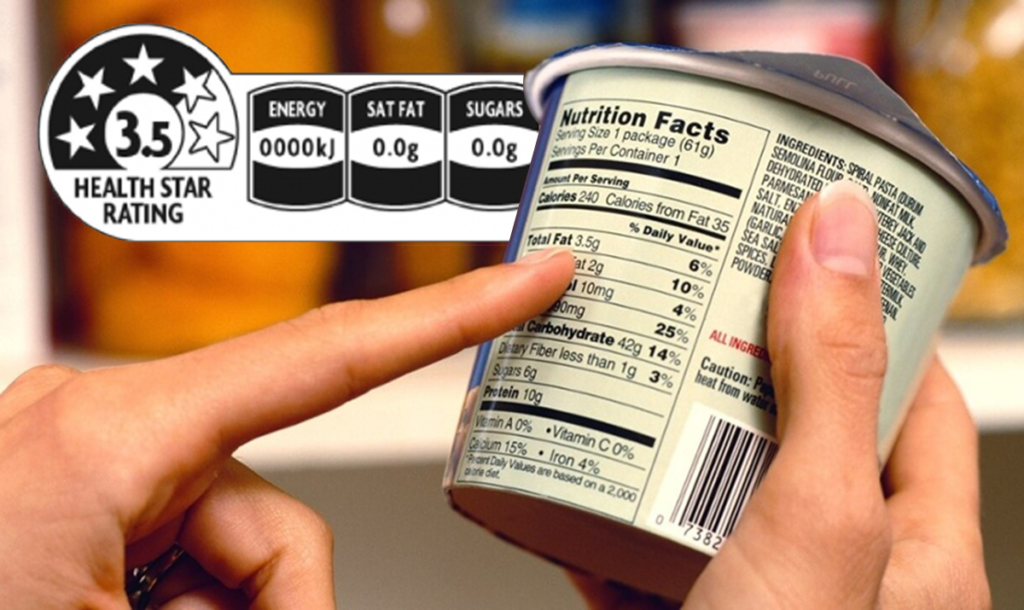
The Food and Drug Administration (FDA) is anticipated to propose a significant change to the labeling of prepackaged foods in the U.S.: requiring key nutrient information to be displayed on the front of the packages in addition to the existing nutrition label on the back. This proposal, expected in the coming months, aims to help busy consumers quickly assess the health implications of their food and beverage choices.
The concept of front-of-package labels is not new; many countries worldwide already use such labels. For instance, Chile employs a stop sign symbol to indicate high levels of sugar, saturated fat, sodium, or calories. Israel uses a red warning label for such foods, and Singapore assigns letter grades to beverages based on their nutritional value.
Advocates have long pushed for mandatory front-of-package labels, arguing that they promote healthier consumer choices and encourage food manufacturers to improve their recipes. The FDA began considering this change as part of a national health strategy announced during the White House Conference on Hunger, Nutrition, and Health in 2022. Since then, the FDA has reviewed relevant literature and conducted focus groups to test label designs.
However, the proposal faces resistance from food trade associations, which have used a voluntary labeling system called Facts up Front since 2011. These associations argue that mandatory interpretive designs, such as red light/green light systems, could unduly alarm consumers without providing meaningful context.
There are potential legal challenges to the FDA’s proposal. Jennifer Pomeranz, an associate professor at NYU’s School of Global Public Health, notes that the U.S. interprets free speech, including corporate speech, more broadly than other countries. Labels that are purely factual are more likely to be deemed constitutional compared to interpretive designs that use shapes or colors to convey health messages.
The FDA has tested multiple label designs, including those using traffic light colors to indicate nutrient levels and those stating if a product is “high in” certain nutrients with added daily value percentages. The agency has not disclosed which design it will propose but aims to release the rule this summer.
The Consumer Brands Association and FMI, which created the Facts up Front system, oppose mandatory interpretive designs. They argue that their voluntary system, used by hundreds of thousands of products, already meets consumer needs by providing quick, consistent nutritional information.
Advocates for mandatory labels, like Eva Greenthal from the Center for Science in the Public Interest, argue that the voluntary system is insufficient and lacks the necessary context to help consumers make informed decisions.
Courtney Gaine, president and CEO of the Sugar Association, questions whether mandatory front-of-package labeling will improve American diets. However, studies from countries like Chile suggest that such labels can lead to healthier consumer choices and product reformulations.
The FDA’s review concluded that front-of-package labels could help consumers identify healthy foods, particularly benefiting those with lower nutrition knowledge and busy shoppers. With obesity affecting about 42% of U.S. adults and diet-related diseases causing over a million deaths annually, the push for more transparent labeling is seen as a critical step towards improving public health.
As the FDA prepares to unveil its proposal, the debate over front-of-package nutrition labels highlights the tension between regulatory efforts to improve public health and the food industry’s concerns over consumer perception and regulatory overreach. The outcome of this proposal could significantly impact how Americans make food choices in the future.