
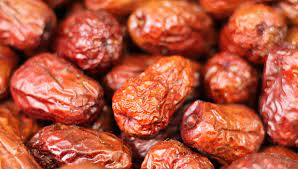
According to a study, consuming dates from Jordan contributed to a hepatitis A outbreak that affected six people in Australia last year. It was the first known hepatitis A outbreak in the nation connected to imported fresh Medjool dates, according to researchers. Despite implicated dates being harvested months apart and coming from different farms, a link to an outbreak in the UK was found.
Six genetically similar hepatitis A infections were reported in New South Wales and the Australian Capital Territory between June and September 2021. The date of ingestion during the exposure period was disclosed by each sick person. According to a report published in Communicable Diseases Intelligence, dates implicated in the outbreak tested positive for the hepatitis A virus.
UK hepatitis A outbreak linked to date intake, affected at least 31 persons. Nationally, there was less than one hepatitis A case per month after borders were closed. With the exception of one case, which was brought on by eating imported frozen food that had previously been recalled, all cases reported in New South Wales during this time were associated with returning residents until June 2021.
The first patient, in June 2021, claimed eating fresh Medjool dates throughout their exposure period but was unable to identify the product to aid in traceback. This instance was discovered to be genetically identical to samples from sick persons in the UK outbreak related to Jordanian dates in July. A specific brand of imported dates was identified by the third sick person. Four out of six patients admitted to eating dates from the allegedly contaminated brand or from a website that offered the allegedly contaminated goods.
The Australian Capital Territory and New South Wales each had one case with genotype IB. The cases ranged in age from 15 to 53, with a median age of 26, and five were male. Hospitalization was required for four persons. A 1-kg box of suspected Medjool dates was retrieved from a Sydney supermarket by agents of the NSW Department of Primary Industries. HAV was found in two of the ten subsamples. Human sequences could not be genetically linked to the implicated food product because the positive date sample could not be sequenced.
The fresh Medjool dates made in Jordan were recalled in August 2021 by the Australian importer. This importer supplied dates to Victoria and New South Wales. A hold order was placed with the Jordanian supplier for Medjool dates. As a result, any shipments of dates from this source that were imported into Australia had to wait at the border until Jordanian officials could certify that the risk of HAV contamination had been reduced.
Investigators in Australian public health was made aware of the problem by a report on the hepatitis A outbreak in England and Wales linked to Jordanian dates. The HAV strain associated with the outbreak connected to dates in Australia was the same as the strain found in England and Wales. However, it was impossible to pinpoint a common grower, manufacturer, or importer. According to Jordanian authorities, the batches of dates involved in each epidemic were harvested and processed months apart from one another from several farms along the Jordan River. The hazards to food safety connected with fresh Medjool dates need further study, according to scientists, and Australia may need to take additional risk management steps around the import of such dates.